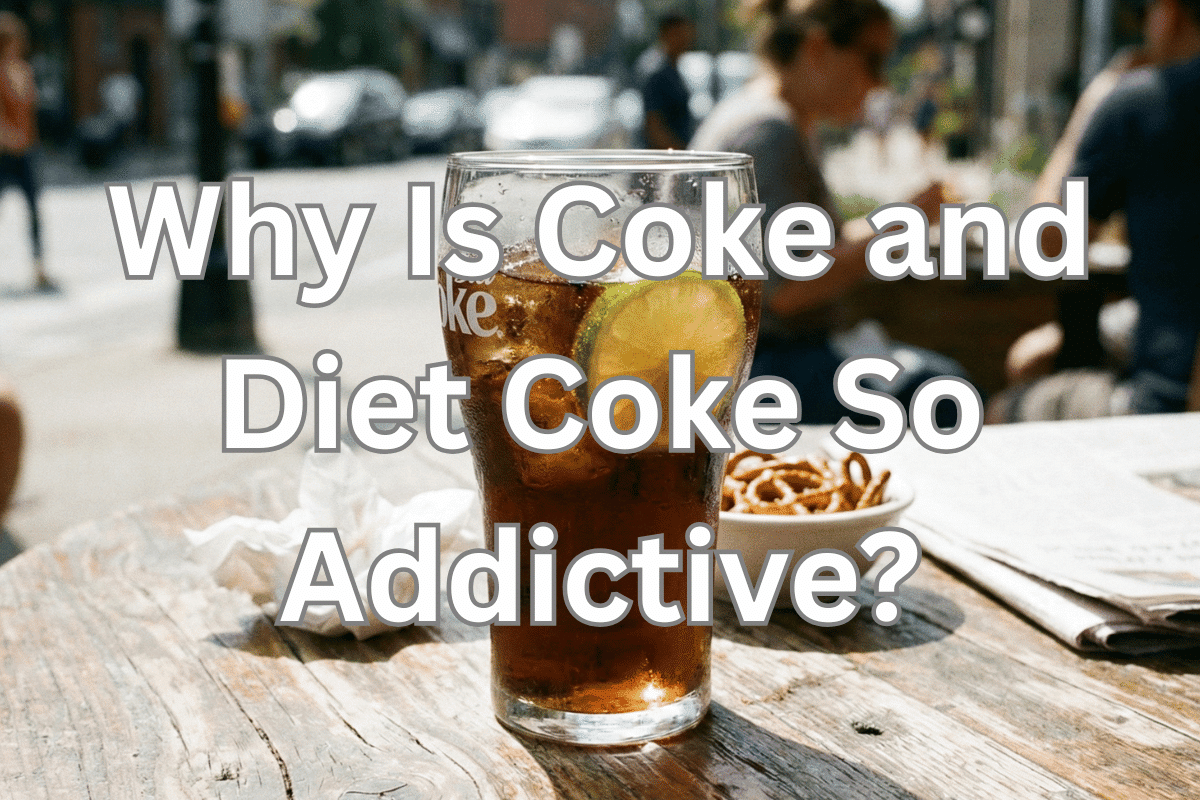
Growing up in a household where soda was never consumed, I never understood the appeal of fizzy drinks.
For a large part of my life, I stayed away from soda entirely. However, one year, I found myself surrounded by friends who were avid Diet Coke drinkers. Whenever we went out to eat or hang out, Diet Coke was their drink of choice. Out of curiosity and social convenience, I started drinking it too. Before I knew it, I had developed a habit—and eventually, an addiction—to Diet Coke.
Table of Contents
- The Science Behind Soda Addiction
- What Soda Does to Your Body and Mind
- Why Companies Like Coca-Cola Want You Hooked
- 10 Reasons Why Water Is Better Than Soda
- Breaking Free from Soda Addiction
- Final Thoughts
- Deep Dive Podcast
- Related Question
I’ve since managed to break free from that addiction, but I must admit that every now and then, I slip up and indulge in a Diet Coke or Coke Zero. These moments always leave me wondering: why do we crave these bubbly, sugary (or artificially sweetened) drinks so much, even though we know they’re not good for us? What exactly do these substances do to our bodies and minds? And why are they so difficult to quit?
To answer these questions, we first need to understand the science behind soda addiction and the role companies like Coca-Cola play in creating products that are hard to resist. Let’s dive into the reasons behind soda’s addictive nature and explore why water is a far better alternative for your health.
The Science Behind Soda Addiction

Caffeine: The Hook
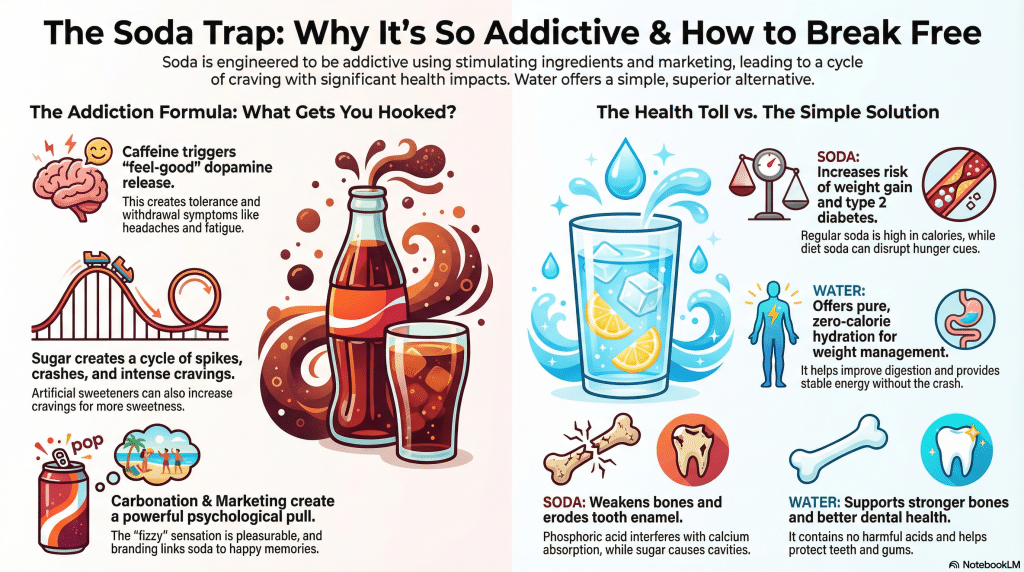
One of the primary reasons Coke and Diet Coke are so addictive is caffeine. Caffeine is a stimulant that affects the central nervous system, giving you a temporary boost of energy and alertness. It also triggers the release of dopamine, the “feel-good” neurotransmitter, which reinforces the habit of drinking soda.
Over time, your body develops a tolerance to caffeine, meaning you need to consume more to achieve the same effects. If you try to quit, you may experience withdrawal symptoms such as headaches, fatigue, and irritability, making it even harder to break the habit.
Sugar: The Sweet Addiction
Regular Coke is loaded with sugar—about 39 grams per can. Consuming sugar causes a spike in blood sugar levels, followed by a crash that leaves you craving more.
Sugar also stimulates the release of dopamine in the brain, similar to caffeine, creating a cycle of dependence. In fact, studies have shown that sugar can be as addictive as drugs like cocaine.
Artificial Sweeteners: The Sneaky Substitute
While Diet Coke doesn’t contain sugar, it’s sweetened with artificial sweeteners like aspartame or sucralose. These sweeteners are hundreds of times sweeter than sugar, which can desensitize your taste buds over time and make you crave more sweetness.
Additionally, some research suggests that artificial sweeteners may interfere with your body’s natural ability to regulate calorie intake, leading to overeating and weight gain.
Carbonation: The Fizzy Factor
The carbonation in soda contributes to its addictive nature. The bubbles create a tingling sensation on your tongue, which many people find pleasurable. This sensory experience becomes associated with the act of drinking soda, reinforcing the habit.
Marketing and Branding
Coca-Cola is a master of marketing. From its iconic red logo to its association with happiness, fun, and social gatherings, the brand has created a powerful emotional connection with its consumers.
This psychological aspect plays a significant role in soda addiction, as people often associate Coke and Diet Coke with positive memories and feelings.
What Soda Does to Your Body and Mind
Blood Sugar Spikes and Crashes
Drinking regular Coke causes a rapid increase in blood sugar levels, which is followed by a crash that leaves you feeling tired and craving more sugar. This rollercoaster effect can contribute to insulin resistance and increase your risk of developing type 2 diabetes.
Caffeine Dependence
As mentioned earlier, the caffeine in soda can lead to dependence. When you stop drinking it, you may experience withdrawal symptoms such as headaches, fatigue, and even mild depression.
Dehydration
Despite being a liquid, soda can actually dehydrate you. Caffeine is a diuretic, which means it increases urine production and can lead to dehydration if not balanced with water intake.
Weight Gain
Both regular and diet sodas have been linked to weight gain. While regular soda is high in calories, diet soda can disrupt your body’s natural hunger cues, leading to overeating.
Impact on Mental Health
The sugar and caffeine in soda can temporarily boost your mood, but the subsequent crashes can leave you feeling irritable or even depressed. Over time, this cycle can take a toll on your mental health.
Bone Health
Phosphoric acid, an ingredient in many sodas, can interfere with calcium absorption and weaken your bones over time. This increases the risk of osteoporosis, especially in women.
Why Companies Like Coca-Cola Want You Hooked
It’s important to remember that companies like Coca-Cola are in the business of making a profit. Their primary goal is to sell more products, and one way to achieve this is by creating beverages that people crave.
By adding ingredients like caffeine and sugar (or artificial sweeteners), they ensure that their products are not only enjoyable but also habit-forming. The more you drink, the more you buy, and the more profit they make. It’s a simple yet effective business model.
This is why it’s crucial to be mindful of what you consume. While it’s okay to enjoy a soda occasionally, making it a regular part of your diet can have serious consequences for your health.

10 Reasons Why Water Is Better Than Soda
If you’re looking for a healthier alternative to soda, plain old water is the best choice. Here are 10 reasons why water is better for you than Coke, Diet Coke, or any other soda:
Hydration Without Additives
Water is the purest form of hydration. Unlike soda, it doesn’t contain caffeine, sugar, artificial sweeteners, or other additives that can harm your health.
Zero Calories
Water is calorie-free, making it the perfect choice for anyone looking to maintain or lose weight.
Improved Digestion
Drinking water helps your body digest food more efficiently, while soda can cause bloating and discomfort due to its carbonation.
Better Skin
Staying hydrated with water can improve your skin’s elasticity and reduce the appearance of wrinkles. Soda, on the other hand, can dehydrate your skin and contribute to premature aging.
Stronger Bones
Water doesn’t contain phosphoric acid, which can weaken your bones over time. Choosing water over soda can help protect your bone health.
Reduced Risk of Chronic Diseases
Drinking water instead of soda can lower your risk of developing chronic conditions like type 2 diabetes, heart disease, and obesity.
Improved Energy Levels
While soda provides a temporary energy boost, it’s often followed by a crash. Water keeps you hydrated and energized throughout the day without the highs and lows.
Better Dental Health
Soda’s high sugar content and acidity can erode tooth enamel and lead to cavities. Water, especially fluoridated water, helps protect your teeth and gums.
No Addiction
Water doesn’t contain addictive substances like caffeine or sugar, making it a healthier choice for long-term consumption.
Environmentally Friendly
Choosing water, especially from a reusable bottle, reduces the environmental impact of single-use plastic soda bottles and cans.
Breaking Free from Soda Addiction
If you’re trying to quit soda, here are a few tips to help you succeed:
Gradually Reduce Your Intake
Instead of quitting cold turkey, try cutting back gradually. For example, if you drink three sodas a day, reduce it to two, then one, and eventually none.
Find a Healthy Alternative
Replace soda with healthier options like sparkling water, herbal tea, or infused water with fresh fruits and herbs.
Stay Hydrated
Drink plenty of water throughout the day to stay hydrated and reduce cravings for soda.
Address the Root Cause
If you’re using soda as a way to cope with stress or fatigue, find healthier ways to address these issues, such as exercise, meditation, or getting enough sleep.
Seek Support
Share your goals with friends and family, and ask for their support in helping you quit soda.
Final Thoughts
Coke and Diet Coke are undeniably addictive, thanks to their combination of caffeine, sugar or artificial sweeteners, and clever marketing.
While they may provide a temporary boost of energy or pleasure, the long-term effects on your health are far from positive. Breaking free from soda addiction can be challenging, but it’s worth the effort to improve your physical and mental well-being.
Water, on the other hand, is a simple, natural, and incredibly beneficial alternative. By choosing water over soda, you’re making a choice that supports your health, energy levels, and overall quality of life.
So the next time you’re tempted to reach for a Coke or Diet Coke, remember all the reasons why water is the better choice—and take a refreshing sip of H2O instead.
Deep Dive Podcast
Check out our Deep Dive Podcast.
At Reluctant Low Carb Life, we are staunch advocates of the Health Trifecta: Fullness, Fitness, and Freshness. Additionally, we embrace the pillars of health, wellness, and graceful aging. Our mission is to provide honest and precise information to individuals dedicated to adopting a healthy lifestyle while enhancing their overall fitness and well-being.
We have a free monthly newsletter that is filled with information and helps you remain updated. Subscribe to the Reluctant Low Carb Life newsletter by clicking here.
Listen to our weekly podcast, Reluctant Low Carb Life, on all the major podcast platforms by clicking here.
Follow us on Instagram and Facebook by clicking here.
Related Question
12 Reasons You Are Not Losing Weight On Keto
It is never easy to be on any diet. Though the keto diet may be easier than some other diets, it can still be challenging to stick to it.
If you’re not losing weight on the keto diet, there could be many reasons this is not happening. More than likely, you were eating more carbs and sugars than you think you are, and your body is not in ketosis.
You can read more about 12 Reasons You Are Not Losing Weight On Keto by clicking here.
Is A Subscription To Diet Doctor Worth It?
I have been a member of the DietDoctor website for at least a year and a half. I have found that my membership to the DietDoctor website is well worth the cost. They have an extensive library of recipes, and I have tried many of them, and they have been very good. I love that the DietDoctor website focuses solely on low-carb and keto lifestyles. If you are going to be on the keto or low-carb lifestyle, it is a website that you should consider being a member of.
You can read more about Is A Subscription To Diet Doctor Worth It? by clicking here.
Swimming For All Ages: Why It’s A Lifelong Health Booster
I am a great fan of swimming as an exercise to help you keep and maintain your health. That is because swimming isn’t just a way to cool off on a hot summer day—it’s a full-body workout, a stress reliever, and a skill that benefits people of all ages.
Swimming is a great exercise, from young children splashing in the shallow end to seniors gracefully swimming laps; swimming is an activity that adapts to your needs at every stage of life. Let’s dive into why swimming is the ultimate lifelong health booster and an exercise we highly recommend for anyone at any age.
You can read more about Swimming For All Ages: Why It’s A Lifelong Health Booster by clicking here.