
Last week, the Trump administration unveiled a new set of dietary guidelines for Americans, introducing a revamped food pyramid that has sparked significant discussion across the nation.
The new pyramid represents a dramatic shift from previous dietary recommendations, emphasizing the importance of eating real, unprocessed foods and reducing the consumption of ultra-processed products. For those of us who have long advocated for low-carb living and prioritizing health through mindful eating, these changes are a welcome step in the right direction.
Table of Contents
- A Radical Shift: From Grains to Real Food
- The Case for Whole Milk Over Skim Milk
- Red Meat: Friend or Foe?
- The Importance of Fresh Vegetables
- The Role of Protein in the New Pyramid
- The Role of Healthy Fats and Oils
- A Balanced Approach to Grains and Fruits
- The War on Ultra-Processed Foods
- Finding Balance in Your Diet
- Final Thoughts: A Step in the Right Direction
- Deep Dive Podcast
- Related Questions
At Reluctant Low-Carb Life, one of our core principles has always been the “trifecta of health,” which emphasizes eating fresh, whole foods that provide nourishment, promote satiety, and support overall well-being.
The new food pyramid aligns with many of these ideas, marking a significant departure from the outdated emphasis on excessive carbohydrate consumption and processed foods.
Read on as we’ll take a closer look at the changes introduced in the new guidelines, explore their implications, and share why we believe this shift is so important for the health of Americans.
A Radical Shift: From Grains to Real Food
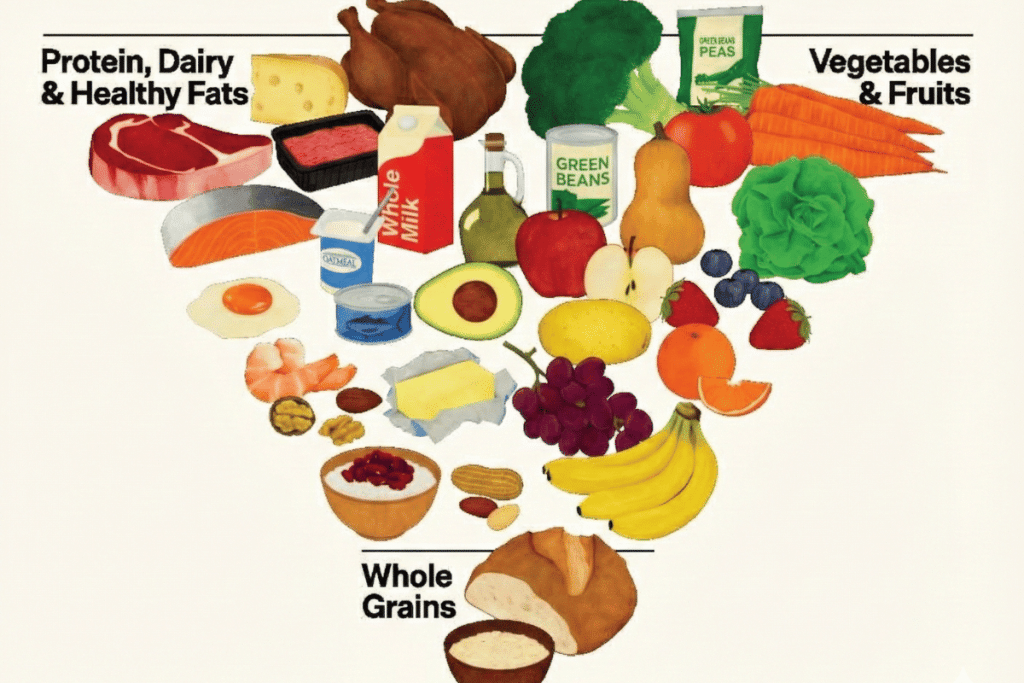
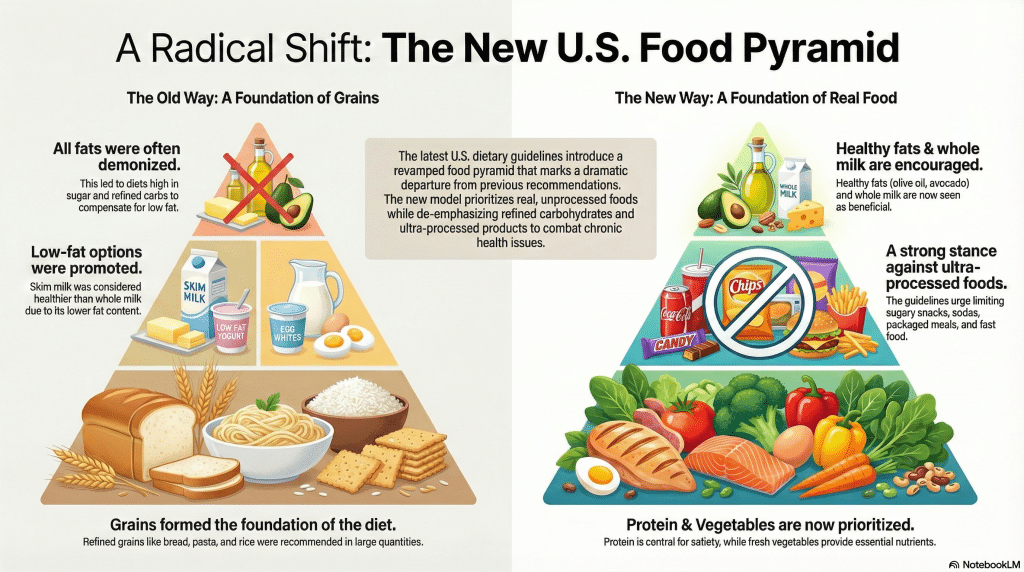
For decades, the traditional food pyramid placed carbohydrates, particularly refined grains like bread, pasta, and rice, at the foundation of a healthy diet. However, the new guidelines have flipped this outdated model on its head.
The updated pyramid now prioritizes protein, fresh vegetables, and whole foods, with grains taking a backseat in the hierarchy. This shift reflects a growing body of research that highlights the negative health impacts of excessive carbohydrate consumption, especially from refined and processed sources.
At the heart of this change is the recognition that ultra-processed foods—those loaded with added sugars, unhealthy fats, and artificial ingredients—are not conducive to good health.
These foods, which make up a large portion of the average American diet, have been linked to obesity, diabetes, heart disease, and other chronic conditions.
By encouraging Americans to focus on real, nutrient-dense foods, the new guidelines aim to combat these health issues and promote a more balanced approach to eating.

The Case for Whole Milk Over Skim Milk
One of the most notable changes in the new food pyramid is the recommendation to increase dairy consumption, with an emphasis on whole milk rather than skim milk. For years, skim milk was promoted as the healthier option due to its lower fat content.
However, recent research has challenged this notion, suggesting that whole milk may actually be more beneficial for overall health.
Whole milk contains healthy fats that can help keep you feeling fuller for longer, reducing the likelihood of overeating and supporting weight management. Additionally, some studies have shown that the natural fats in whole milk may have a positive impact on heart health, contrary to the long-held belief that saturated fats are inherently harmful.
That said, it’s important to note that milk does contain natural sugars, and excessive consumption could contribute to higher sugar intake. Moderation is key, as with any dietary recommendation.
Red Meat: Friend or Foe?
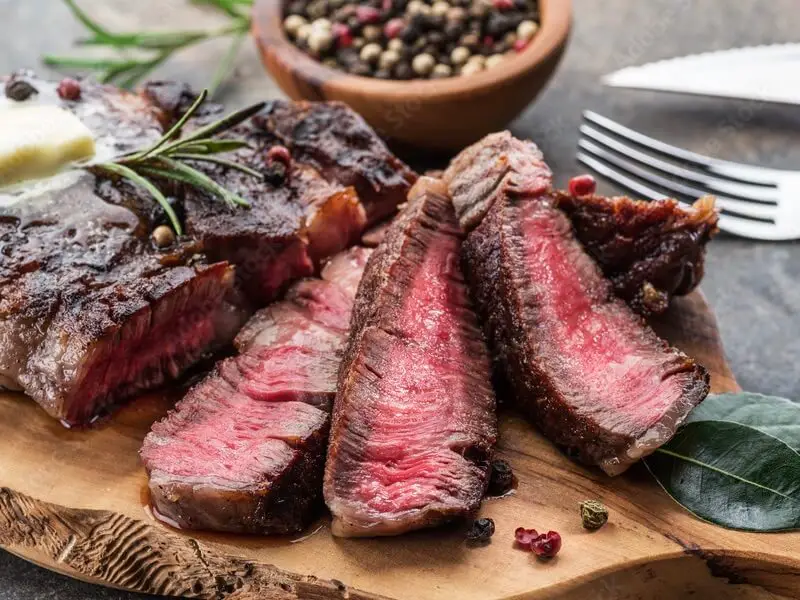
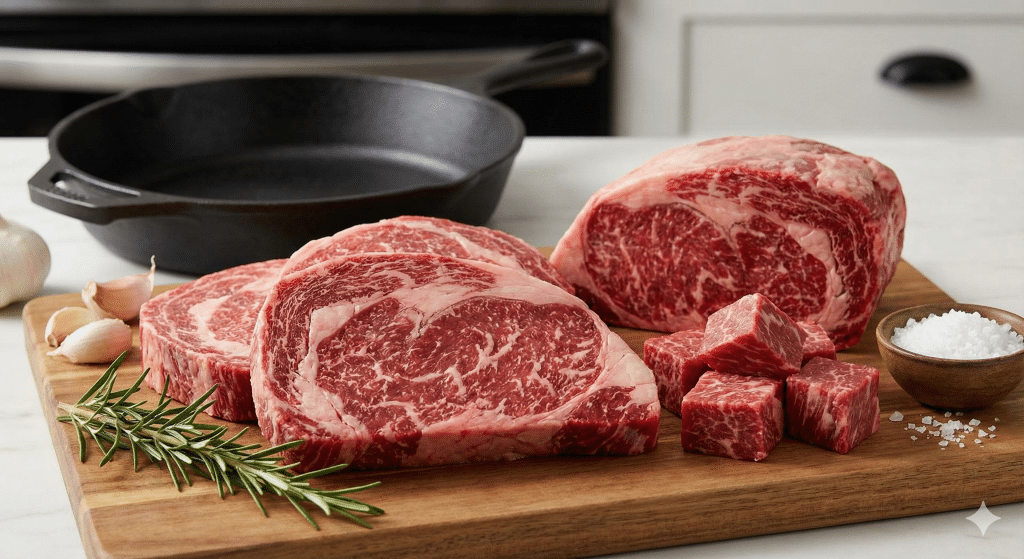
Another significant change in the new food pyramid is the increased emphasis on meat consumption, particularly red meat. This recommendation has sparked some debate, as red meat has long been a contentious topic in the nutrition world.
While some studies have linked excessive red meat consumption to health risks like heart disease and certain cancers, others have highlighted its nutritional benefits, including being an excellent source of protein, iron, and essential vitamins like B12.
Personally, I tend to eat more chicken and fish than red meat, as these leaner protein sources are often considered healthier in the long run.
The Mediterranean diet, widely regarded as one of the healthiest eating patterns, emphasizes fish, chicken, and plant-based proteins over red meat. However, I also believe that eating red meat in moderation, especially when paired with fresh vegetables, can be a healthy and satisfying choice.
The key takeaway here is balance. If you enjoy red meat, there’s no need to eliminate it from your diet entirely. Instead, focus on incorporating it as part of a varied and nutrient-dense eating plan.
And, as always, prioritize quality—opt for grass-fed, organic, and minimally processed meats whenever possible.

The Importance of Fresh Vegetables
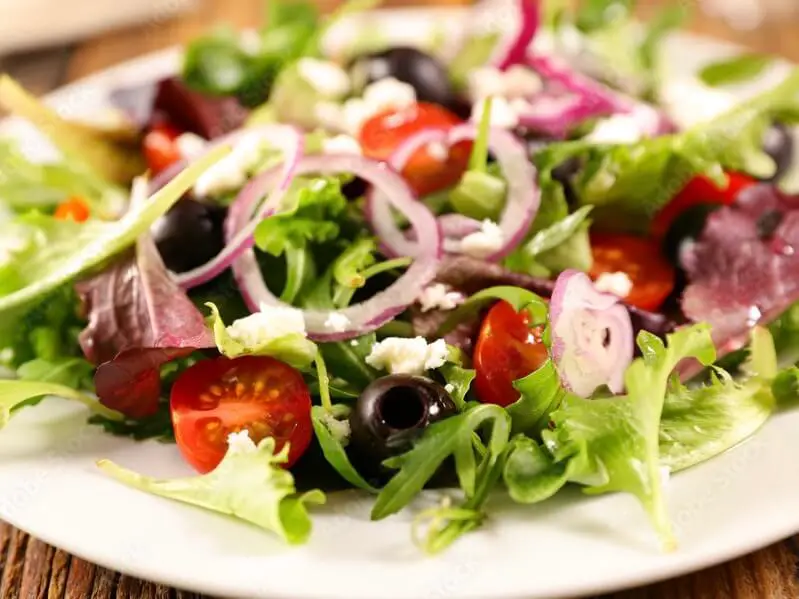
One aspect of the new food pyramid that I wholeheartedly agree with is the emphasis on fresh vegetables. Vegetables are a cornerstone of a healthy diet, providing essential vitamins, minerals, fiber, and antioxidants that support overall health and help protect against chronic diseases.
Whether you’re a meat-eater, vegetarian, or vegan, incorporating a wide variety of vegetables into your meals is crucial for meeting your nutritional needs.
For those who follow a plant-based diet, vegetables can be paired with other protein sources like tofu, legumes, nuts, and seeds to create balanced and satisfying meals. And for those who consume animal products, vegetables make the perfect complement to proteins like meat, fish, and eggs.
Personally, I strive to include a variety of colorful vegetables in my meals, from leafy greens and cruciferous veggies to root vegetables and peppers. Not only does this approach ensure a diverse range of nutrients, but it also keeps meals interesting and enjoyable.
The Role of Protein in the New Pyramid
One of the most impactful changes in the new food pyramid is the increased focus on protein as a central component of a healthy diet. Protein plays a vital role in building and repairing tissues, supporting immune function, and maintaining a healthy metabolism. It’s also incredibly satiating, helping to curb hunger and prevent overeating.
For those of us who follow a low-carb or ketogenic lifestyle, this emphasis on protein is nothing new.
We’ve long recognized the importance of prioritizing protein-rich foods like meat, fish, eggs, and plant-based alternatives. The new guidelines reinforce this approach, encouraging Americans to make protein a key part of their daily meals.

The Role of Healthy Fats and Oils
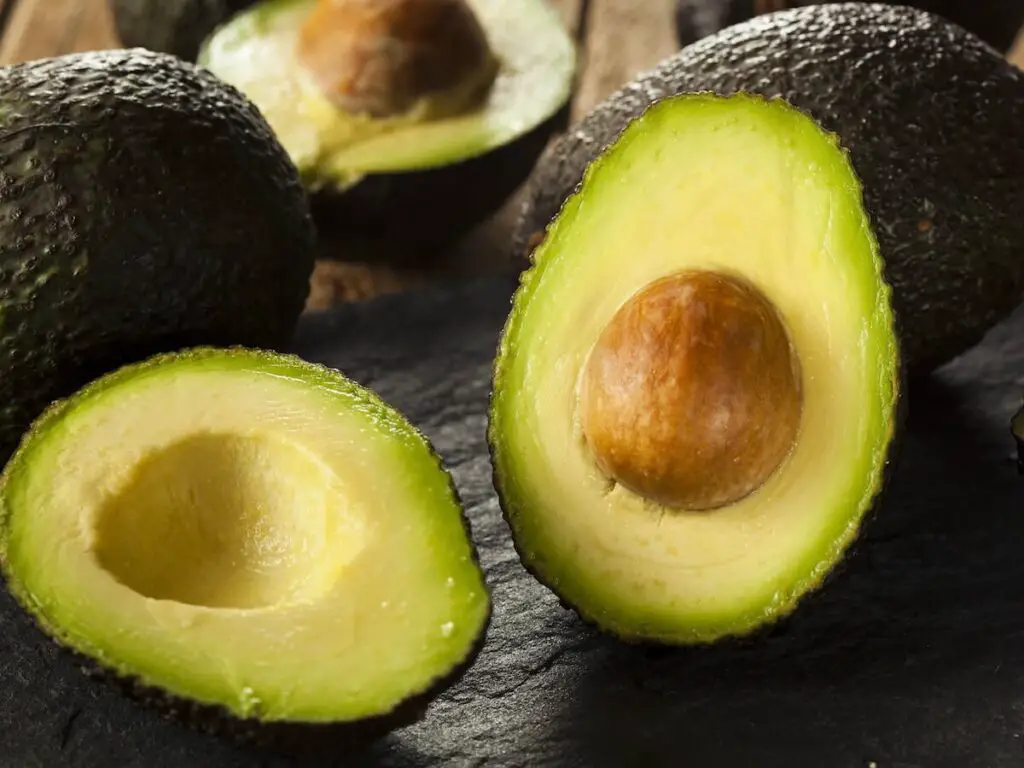
Another positive change in the new pyramid is the inclusion of healthy fats, such as those found in olive oil, avocados, nuts, and fatty fish.
For years, dietary guidelines demonized fats, leading many people to adopt low-fat diets that were often high in sugar and refined carbohydrates. However, we now know that not all fats are created equal, and healthy fats are essential for brain function, hormone production, and overall health.
The new pyramid encourages the use of healthy fats in cooking and meal preparation, while discouraging the consumption of trans fats and highly processed vegetable oils. This is a significant step forward, as it aligns with the latest research on the benefits of healthy fats and their role in a balanced diet.

A Balanced Approach to Grains and Fruits
While the new food pyramid de-emphasizes grains, it doesn’t eliminate them entirely. Instead, it encourages Americans to choose whole grains over refined grains and to consume them in moderation.
This shift reflects the understanding that whole grains provide important nutrients like fiber, vitamins, and minerals, while refined grains contribute little more than empty calories.
Similarly, the new guidelines recommend incorporating fruits into the diet in moderation. Fruits are a natural source of vitamins, minerals, and antioxidants, but they also contain natural sugars that can contribute to weight gain and blood sugar spikes if consumed in excess.
The key is to enjoy fruits as part of a balanced diet, focusing on low-sugar options like berries and pairing them with protein or healthy fats to help stabilize blood sugar levels.

The War on Ultra-Processed Foods
Perhaps the most significant and commendable aspect of the new food pyramid is its strong stance against ultra-processed foods. These foods, which include sugary snacks, sodas, packaged meals, and fast food, make up a staggering proportion of the average American diet.
They are often high in calories, sugar, unhealthy fats, and artificial ingredients, while being low in nutrients.
The new guidelines urge Americans to limit their consumption of ultra-processed foods and instead focus on eating real, whole foods.
This is a message that we’ve been advocating for years at Reluctant Low-Carb Life, and it’s encouraging to see it gaining mainstream recognition. By reducing reliance on ultra-processed foods and prioritizing fresh, nutrient-dense options, Americans can take a significant step toward improving their overall health and well-being.

Finding Balance in Your Diet
While the new food pyramid aligns closely with the principles of low-carb and ketogenic eating, it’s important to remember that no single diet is right for everyone. Each person’s nutritional needs, preferences, and health goals are unique, and it’s essential to find a way of eating that works for you.
For some, this might mean adopting a strict low-carb or keto diet, while for others, it could involve incorporating elements of the Mediterranean diet or simply making small, sustainable changes to reduce processed foods and increase nutrient-dense options.
The key is to focus on balance and moderation, rather than adhering to rigid rules or extremes.
For example, while bread and other grains are no longer the foundation of the food pyramid, enjoying a slice of whole-grain bread or a serving of rice occasionally is unlikely to derail your health goals.
Similarly, while red meat is now emphasized, it’s still important to include a variety of protein sources in your diet, such as fish, chicken, eggs, and plant-based options.
Final Thoughts: A Step in the Right Direction
The new US food pyramid represents a significant shift in the way we think about nutrition and health. By prioritizing real, whole foods and encouraging Americans to move away from ultra-processed products, these guidelines align with the latest research and reflect a more balanced and sustainable approach to eating.
Deep Dive Podcast
Check out our Deep Dive Podcast.
At Reluctant Low-Carb Life, we applaud this change and hope that it will inspire more people to take control of their health through mindful eating and a focus on nutrient-dense, satisfying foods. While there is no one-size-fits-all approach to nutrition, the principles outlined in the new food pyramid provide a solid foundation for creating a healthier, more balanced diet.
As we move forward, let’s continue to advocate for real food, celebrate the joy of cooking and eating fresh, wholesome meals, and support one another on our journeys to better health. Together, we can create a healthier future for ourselves and for generations to come.
What are your thoughts on the new food pyramid? Do you agree with the changes, or do you have concerns about certain recommendations? Share your thoughts in the comments below—we’d love to hear from you!
Reluctant Low Carb Life explores all aspects of keto and low-carb lifestyle, fitness, health, wellness, and aging gracefully. At the Reluctant Low Carb Life, we strive to give honest and accurate information to people trying to live the low-carb and keto lifestyle while improving their fitness and health.
We have a free monthly newsletter that is filled with information and helps you remain updated. Subscribe to the Reluctant Low Carb Life newsletter by clicking here.
Listen to our weekly podcast, Reluctant Low Carb Life, on all the major podcast platforms by clicking here.
Follow us on Instagram and Facebook by clicking here.
Related Questions
20 Reasons Why Swimming Is A Great Sport
We love swimming because it provides a low-impact, full-body workout that engages almost all your muscles while improving cardiovascular fitness and mental well-being. Swimming helps with weight management, enhances flexibility and posture, boosts breathing efficiency, and promotes relaxation. It’s a versatile activity suitable for all ages and fitness levels, making it easy to incorporate into your fitness regimen.
You can read more about 20 Reasons Why Swimming Is A Great Sport by clicking here.
Using MySwimPro App to Help Improve Your Swimming
Swimming, in its essence, can be a rather monotonous sport. You dive in, swim back and forth, and repeat. Without any form of stimulation or structure, it’s easy for the sport to become dull and unengaging. I’ve tried to make my swimming sessions more enjoyable by using headsets like the Ex Trainer, allowing me to listen to music or podcasts while I swim. This game-changer has made my time in the water much more pleasant. However, for those who don’t have access to headsets, swimming can quickly turn into a repetitive routine of laps.
You can read more about Using MySwimPro App to Help Improve Your Swimming by clicking here.
Swimming Vs. Walking For Weight Loss
If you’re trying to lose weight and enjoy swimming and walking, you may want to know what is better for weight loss. Both exercises can help you get fit and down to your optimal weight.
Most people will burn more calories by swimming than by walking. But whether swimming or walking is better for weight loss comes down to which exercise you will do consistently and which exercise you enjoy. People will tend to stick to an exercise they want more than one they do not like.
You can read more about Swimming Vs. Walking For Weight Loss by clicking here.