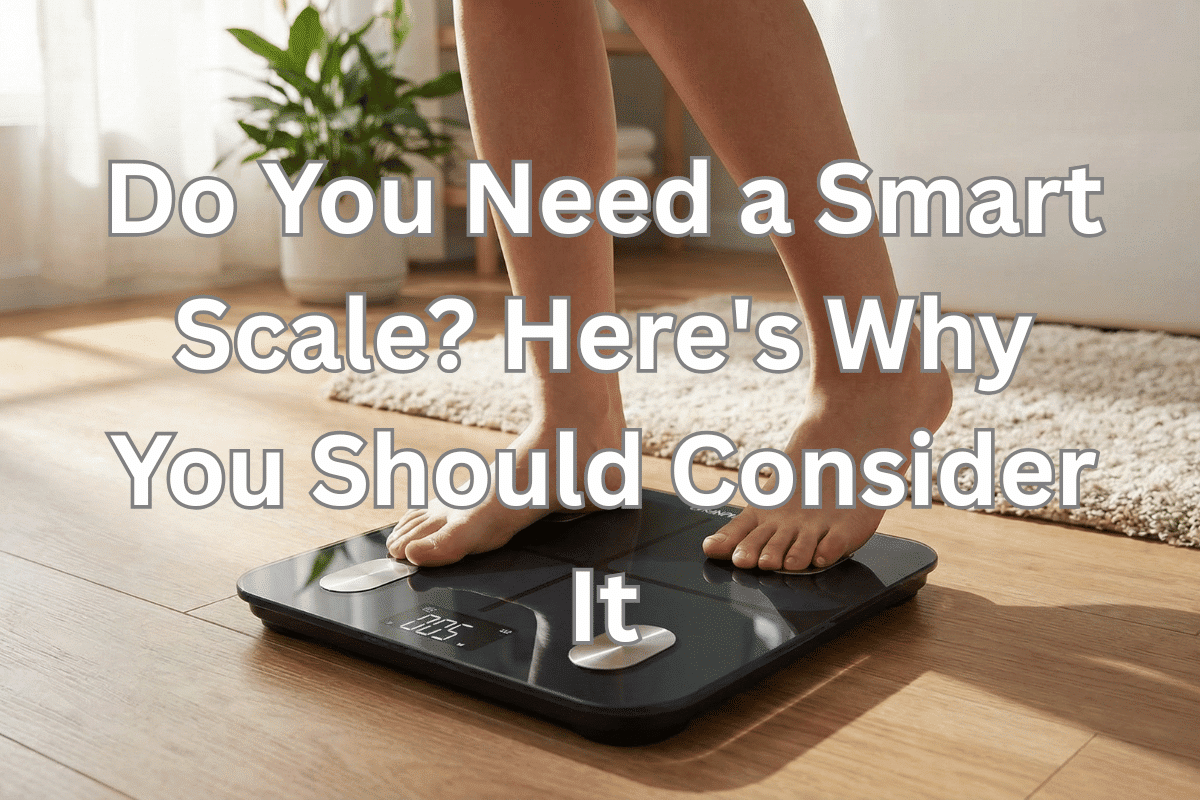
When it comes to monitoring your health and fitness, most people think of a traditional scale as a must-have tool. After all, it gives you one of the most basic and important metrics: your weight. But is that enough? With advancements in technology, smart scales are becoming increasingly popular, and for good reason. These devices provide far more than just your weight—they offer a wealth of data about your body composition and overall health.
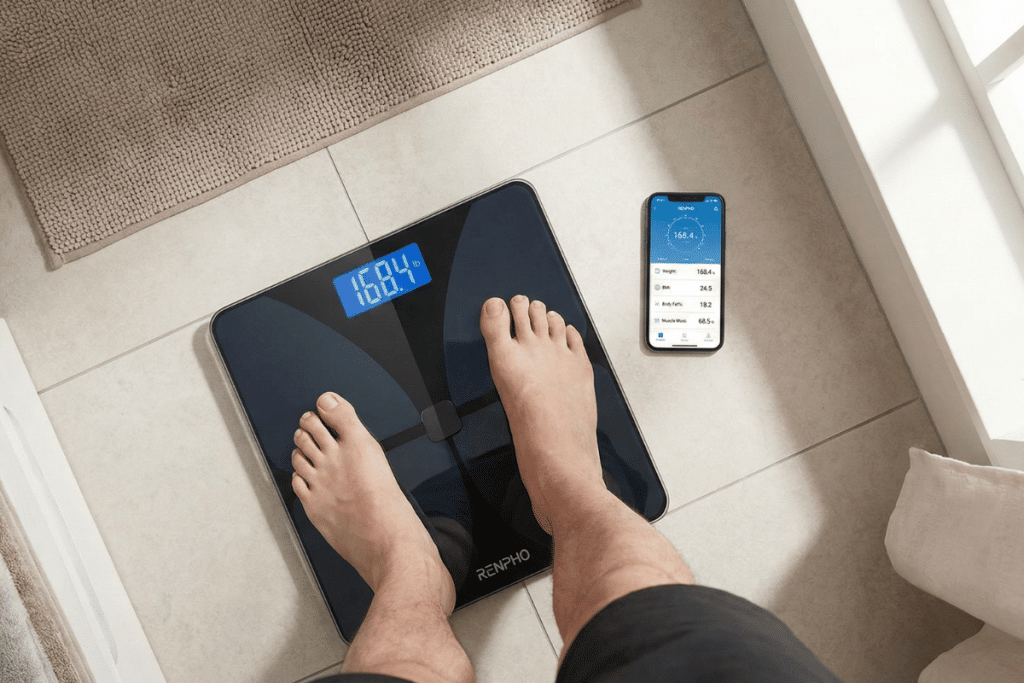
Recently, I received a Renpho smart scale, and it’s been a game-changer for me. Not only does it give me my weight, but it also provides a detailed breakdown of metrics like body fat percentage, BMI, skeletal muscle, fat-free mass, subcutaneous fat, visceral fat, body water, muscle mass, bone mass, protein levels, BMR (basal metabolic rate), and metabolic age. This information has helped me understand my body better and make more informed decisions about my health and fitness routine.
Table of Contents
- What Is a Smart Scale?
- Benefits of Using a Smart Scale
- Understanding the Metrics Provided by a Smart Scale
- Why Tracking These Metrics Matters
- Why I Love My Renpho Smart Scale
- Is a Smart Scale Right for You?
- Final Thoughts
- Deep Dive Podcast
- Related Questions
Read on as I’ll explain why a smart scale is a worthwhile investment, what these metrics mean, and how tracking them can benefit you. By the end, you’ll have a clear understanding of how a smart scale can help you take control of your health from the comfort of your own home.
What Is a Smart Scale?
A smart scale is a modern version of the traditional bathroom scale. Unlike regular scales that only measure your weight, smart scales use advanced technology—usually bioelectrical impedance analysis (BIA)—to provide a detailed analysis of your body composition.
These devices sync with apps on your smartphone to store and track your data over time, giving you a comprehensive view of your progress.
Smart scales are designed for people who want to go beyond just monitoring their weight. Whether you’re trying to lose weight, build muscle, or simply improve your overall health, a smart scale can give you the insights you need to reach your goals.
Benefits of Using a Smart Scale
1. More Than Just Weight
The biggest advantage of a smart scale is that it provides much more information than a regular scale. While weight is an important metric, it doesn’t tell the whole story.
For example, two people can weigh the same but have very different body compositions.
One might have a higher percentage of muscle, while the other might have more body fat. By measuring additional metrics, a smart scale gives you a clearer picture of your health.
2. Convenience
A smart scale allows you to get detailed health insights right at home. There’s no need to visit a gym or a clinic for body composition analysis.
You can step on your scale every morning, and within seconds, you’ll have all the data you need.
3. Tracking Progress Over Time
Most smart scales come with companion apps that store your data and display it in easy-to-read graphs and charts. This makes it simple to track your progress over weeks, months, or even years.
Seeing trends in your body composition can help you stay motivated and adjust your fitness or nutrition plan as needed.
4. Personalized Insights
Smart scales often integrate with fitness apps like Apple Health, Google Fit, or Fitbit, giving you a more holistic view of your health.
By combining data from your scale with other metrics like your activity level and calorie intake, you can gain deeper insights into your health and well-being.

Understanding the Metrics Provided by a Smart Scale
Now, let’s dive into the specific metrics that my Renpho smart scale provides and why they’re important for tracking your health.
1. Body Fat Percentage
This metric measures the percentage of your total body weight that comes from fat.
While some body fat is essential for overall health, excess body fat can increase your risk of health problems like heart disease, diabetes, and high blood pressure.
Tracking your body fat percentage can help you determine whether you’re losing fat, gaining muscle, or both.
2. BMI (Body Mass Index)
BMI is a calculation based on your weight and height. It’s often used as a general indicator of whether you’re underweight, normal weight, overweight, or obese.
However, BMI doesn’t account for muscle mass or body composition, so it’s not always the most accurate measure of health. That’s why it’s helpful to use BMI in conjunction with other metrics like body fat percentage.
3. Skeletal Muscle
Skeletal muscle refers to the muscles attached to your bones that allow you to move. This metric is especially important if you’re trying to build strength or improve athletic performance.
Increasing your skeletal muscle can boost your metabolism, improve your physical performance, and enhance your overall quality of life.
4. Fat-Free Mass
Fat-free mass includes everything in your body except fat—such as muscles, bones, organs, and water.
By tracking your fat-free mass, you can see how much of your body is composed of lean tissue. This is a useful metric for athletes or anyone looking to build muscle while reducing fat.
5. Subcutaneous Fat
Subcutaneous fat is the fat stored just beneath your skin. While some subcutaneous fat is normal and even healthy, too much can indicate poor diet or lack of exercise.
Monitoring this metric can help you target specific areas for improvement.
6. Visceral Fat
Visceral fat is the fat stored around your internal organs. High levels of visceral fat are associated with health risks like heart disease, type 2 diabetes, and certain cancers.
Unlike subcutaneous fat, visceral fat is not always visible, so a smart scale can be a valuable tool for monitoring it.

7. Body Water
This metric measures the percentage of your body weight that comes from water. Staying properly hydrated is essential for overall health, as water plays a key role in regulating body temperature, supporting digestion, and maintaining healthy skin. If your body water percentage is too low, it could be a sign that you need to drink more fluids.
8. Muscle Mass
Muscle mass refers to the total weight of the muscles in your body. This metric is particularly important for athletes and those focused on strength training.
Building muscle mass can improve your metabolism, increase strength, and enhance your overall health.
9. Bone Mass
Bone mass measures the weight of the minerals in your bones. While this metric doesn’t change much over short periods, it’s important for long-term health.
Maintaining healthy bone mass can reduce your risk of osteoporosis and fractures as you age.
10. Protein
Protein is a vital nutrient that plays a key role in building and repairing tissues, producing enzymes and hormones, and supporting overall health.
Your smart scale can estimate your body’s protein levels, helping you ensure you’re consuming enough protein in your diet.
11. BMR (Basal Metabolic Rate)
Your BMR is the number of calories your body needs to perform basic functions like breathing, circulation, and cell production while at rest.
Knowing your BMR can help you determine how many calories you should consume daily to maintain, lose, or gain weight.
12. Metabolic Age
Metabolic age is an estimate of your body’s age based on your BMR. If your metabolic age is higher than your actual age, it may indicate that you need to improve your overall health and fitness.
This metric can be a powerful motivator to make positive lifestyle changes.

Why Tracking These Metrics Matters
Understanding and tracking these metrics can provide valuable insights into your health and fitness journey. Here’s how:
- Set Realistic Goals: By knowing your body composition, you can set more specific and achievable health goals. For example, instead of just aiming to lose weight, you might aim to reduce your body fat percentage or increase your skeletal muscle.
- Monitor Progress: A smart scale allows you to track changes in your body composition over time. This can help you see if your diet and exercise plan is working or if you need to make adjustments.
- Stay Motivated: Seeing progress in metrics like body fat percentage or muscle mass can be incredibly motivating, especially if the number on the scale isn’t changing as quickly as you’d like.
- Identify Health Risks: Metrics like visceral fat and metabolic age can help you identify potential health risks early, giving you the opportunity to make lifestyle changes before problems arise.
- Personalized Health Insights: By combining data from your smart scale with information from other health and fitness apps, you can gain a more complete picture of your overall health and well-being.
Why I Love My Renpho Smart Scale
As I mentioned earlier, I recently started using the Renpho smart scale, and it has been a fantastic investment. The scale is easy to use, and the companion app syncs seamlessly with my smartphone.
Every time I step on the scale, it provides me with a detailed breakdown of my body composition, which is automatically saved in the app. I can easily track my progress over time and see how my body is changing.
One of the things I appreciate most about the Renpho scale is its accuracy and consistency. While no smart scale is 100% accurate, the Renpho scale provides reliable data that helps me monitor my health and make informed decisions.
Plus, it’s affordable compared to many other smart scales on the market, making it an excellent choice for anyone looking to upgrade their health-tracking tools.

Is a Smart Scale Right for You?
If you’re someone who is serious about improving your health and fitness, a smart scale is definitely worth considering. It’s especially beneficial for:
- Fitness Enthusiasts: If you’re working out regularly, a smart scale can help you track your muscle growth, fat loss, and overall progress.
- Weight Loss Goals: For those trying to lose weight, a smart scale provides a more comprehensive view of your progress than just tracking pounds.
- Health-Conscious Individuals: Even if you’re not actively trying to lose weight or build muscle, a smart scale can help you monitor your overall health and identify potential issues early.
- Data Lovers: If you enjoy tracking and analyzing data, you’ll love the wealth of information a smart scale provides.
Final Thoughts
A smart scale is more than just a tool for measuring your weight—it’s a window into your overall health. By providing detailed insights into your body composition, a smart scale can help you set realistic goals, track your progress, and make informed decisions about your health and fitness.
My experience with the Renpho smart scale has been incredibly positive, and I highly recommend it to anyone looking to take their health tracking to the next level.
Whether you’re a fitness enthusiast, someone trying to lose weight, or just looking to improve your overall well-being, a smart scale can be a valuable addition to your routine.
So, do you need a smart scale? If you’re ready to gain a deeper understanding of your body and take control of your health, the answer is a resounding yes. Investing in a smart scale is investing in yourself—and that’s always worth it.
Deep Dive Podcast
Check out our Deep Dive Podcast
At Reluctant Low Carb Life, we are staunch advocates of the Health Trifecta: Fullness, Fitness, and Freshness. Additionally, we embrace the pillars of health, wellness, and graceful aging. Our mission is to provide honest and precise information to individuals dedicated to adopting a healthy lifestyle while enhancing their overall fitness and well-being.
We have a free monthly newsletter that is filled with information and helps you remain updated. Subscribe to the Reluctant Low Carb Life newsletter by clicking here.
Listen to our weekly podcast, Reluctant Low Carb Life, on all the major podcast platforms by clicking here.
Follow us on Instagram and Facebook by clicking here.
Related Questions
12 Reasons You Are Not Losing Weight On Keto
It is never easy to be on any diet. Though the keto diet may be easier than some other diets, it can still be challenging to stick to it.
If you’re not losing weight on the keto diet, there could be many reasons this is not happening. More than likely, you were eating more carbs and sugars than you think you are, and your body is not in ketosis.
You can read more about 12 Reasons You Are Not Losing Weight On Keto by clicking here.
Is A Subscription To Diet Doctor Worth It?
I have been a member of the DietDoctor website for at least a year and a half. I have found that my membership to the DietDoctor website is well worth the cost. They have an extensive library of recipes, and I have tried many of them, and they have been very good. I love that the DietDoctor website focuses solely on low-carb and keto lifestyles. If you are going to be on the keto or low-carb lifestyle, it is a website that you should consider being a member of.
You can read more about Is A Subscription To Diet Doctor Worth It? by clicking here.
Swimming For All Ages: Why It’s A Lifelong Health Booster
I am a great fan of swimming as an exercise to help you keep and maintain your health. That is because swimming isn’t just a way to cool off on a hot summer day—it’s a full-body workout, a stress reliever, and a skill that benefits people of all ages.
Swimming is a great exercise, from young children splashing in the shallow end to seniors gracefully swimming laps; swimming is an activity that adapts to your needs at every stage of life. Let’s dive into why swimming is the ultimate lifelong health booster and an exercise we highly recommend for anyone at any age.
You can read more about Swimming For All Ages: Why It’s A Lifelong Health Booster by clicking here.







Leave a Reply
You must be logged in to post a comment.