
Water is the essence of life, making up a significant portion of our bodies and playing a crucial role in nearly every bodily function. But could this simple, calorie-free beverage also be the secret weapon in your weight loss journey? The answer is a resounding yes. While there’s no magic pill for shedding pounds, water offers a range of benefits that can help support weight management when combined with a balanced diet and regular exercise.
From boosting metabolism to suppressing appetite and improving exercise performance, water is an often-overlooked yet essential component of any effective weight loss plan. In this blog post, we’ll explore how water aids weight loss, practical strategies to incorporate more water into your daily routine, and why staying hydrated is one of the simplest and most effective ways to achieve your health goals.
Table of Contents
- How Water Supports Weight Loss
- How to Use Water for Weight Loss
- How Much Water Should You Drink for Weight Loss?
- Tips for Staying Hydrated
- The Science Behind Water and Weight Loss
- The Role of Water in a Holistic Approach to Weight Loss
- Common Myths About Water and Weight Loss
- Final Thoughts
- Related Questions
How Water Supports Weight Loss
Water’s role in weight loss is multifaceted, as it impacts metabolism, appetite, calorie intake, exercise performance, and digestion. Let’s break down each of these benefits:
1. Boosts Metabolism
One of the most compelling ways water supports weight loss is by boosting your metabolism. Studies have shown that drinking water—especially cold water—can temporarily increase your metabolic rate.
This process, known as water-induced thermogenesis, occurs because your body has to work harder to warm the water to body temperature.
Research suggests that drinking 16 ounces (500 ml) of water can increase metabolic rate by up to 30% for about 30–40 minutes. While the calorie burn may not seem significant at first glance, these small boosts can add up over time, especially when combined with other healthy habits.
For example, drinking cold water throughout the day could help you burn an additional 50–100 calories daily, which translates to around 1–2 pounds of weight loss per month without any extra effort.
2. Suppresses Appetite
Do you ever feel hungry, only to realize that you’re actually thirsty? It’s a common phenomenon, as the brain can sometimes confuse thirst with hunger. Drinking water before meals can help you feel fuller, reducing the likelihood of overeating.
In one study, participants who drank 16 ounces of water 30 minutes before meals consumed fewer calories and lost 44% more weight over 12 weeks compared to those who didn’t drink water before eating. This simple habit can be a game-changer for those who struggle with portion control or mindless snacking.
3. Reduces Calorie Intake
One of the easiest ways to cut calories is to replace sugary drinks with water. Beverages like soda, sweetened teas, fruit juices, and even alcohol can contribute hundreds of empty calories to your daily intake without providing any nutritional value.
For instance, a single 12-ounce can of soda contains around 140 calories, while a glass of orange juice can have up to 120 calories.
By swapping these high-calorie options for water, you can significantly reduce your overall calorie intake.
Over time, these small changes can lead to substantial weight loss. For example, cutting out just one soda per day can result in a calorie deficit of approximately 3,500 calories per week—the equivalent of losing one pound of body fat.

4. Enhances Exercise Performance
Exercise is a critical component of any weight loss plan, and proper hydration is essential for optimizing your workouts. When you’re dehydrated, your physical performance can suffer, leading to fatigue, muscle cramps, and decreased endurance.
Staying hydrated helps regulate body temperature, lubricate joints, and deliver nutrients to your muscles, ensuring that you can perform at your best during workouts.
Drinking water before, during, and after exercise also helps replace fluids lost through sweat, reducing the risk of dehydration and supporting recovery. Better workouts mean more calories burned and greater progress toward your weight loss goals.
5. Aids Digestion
Proper digestion is key to maintaining a healthy weight, and water plays a vital role in the digestive process. It helps break down food, absorb nutrients, and prevent constipation by keeping your digestive system running smoothly.
Dehydration, on the other hand, can lead to sluggish digestion and bloating, making it harder for your body to process food efficiently. By staying hydrated, you support a healthy gut, which is essential for overall well-being and weight management.
How to Use Water for Weight Loss
Now that we’ve established how water supports weight loss, let’s explore some practical strategies to maximize its benefits. Incorporating these habits into your daily routine can help you stay on track and achieve your weight loss goals.
1. Drink Water Before Meals
Drinking water before meals is one of the simplest and most effective ways to control your appetite. Aim to drink about 16 ounces (2 cups) of water 30 minutes before each main meal. This will help you feel fuller and reduce the likelihood of overeating.
This strategy is particularly useful if you’re trying to cut back on portion sizes or manage cravings. By filling your stomach with water before eating, you’ll naturally consume fewer calories without feeling deprived.

2. Stay Hydrated Throughout the Day
Hydration isn’t just about drinking water when you’re thirsty—it’s about maintaining consistent fluid intake throughout the day. Thirst is often a sign that you’re already dehydrated, which can lead to fatigue, headaches, and difficulty concentrating.
To stay hydrated, aim to drink at least 60 ounces of water per day. For those aiming to lose weight, increasing your intake to 100 ounces daily can provide even greater benefits.
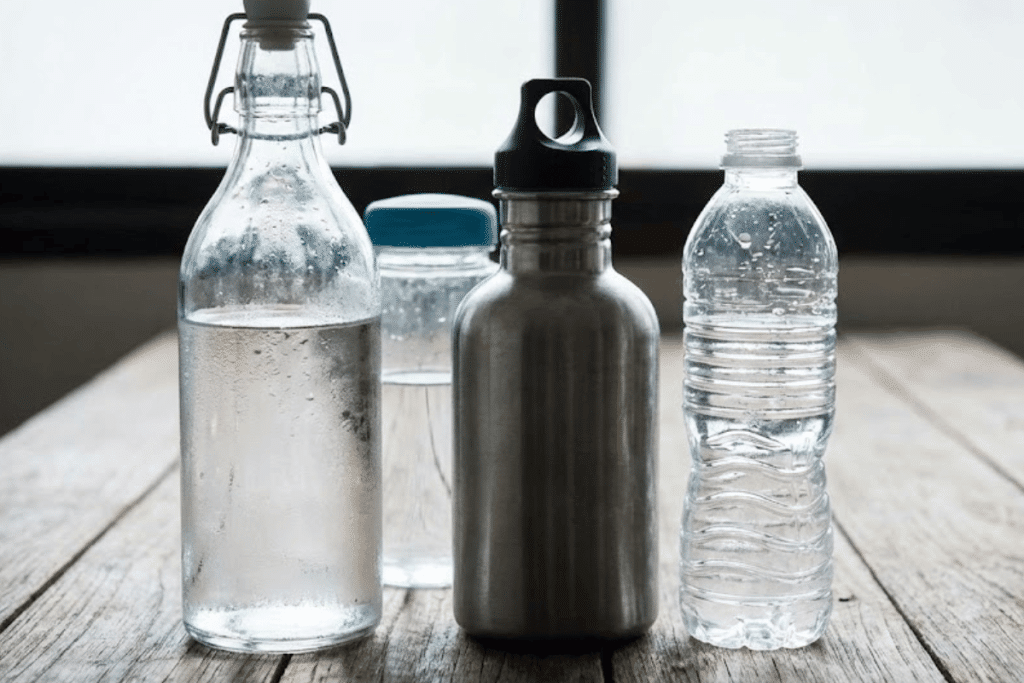
Keep a reusable water bottle with you at all times as a visual reminder to drink water regularly.
3. Replace Sugary Drinks
One of the easiest ways to cut calories is by replacing sugary beverages with water. Sodas, energy drinks, sweetened teas, and even fruit juices are often loaded with sugar and empty calories that can derail your weight loss efforts.
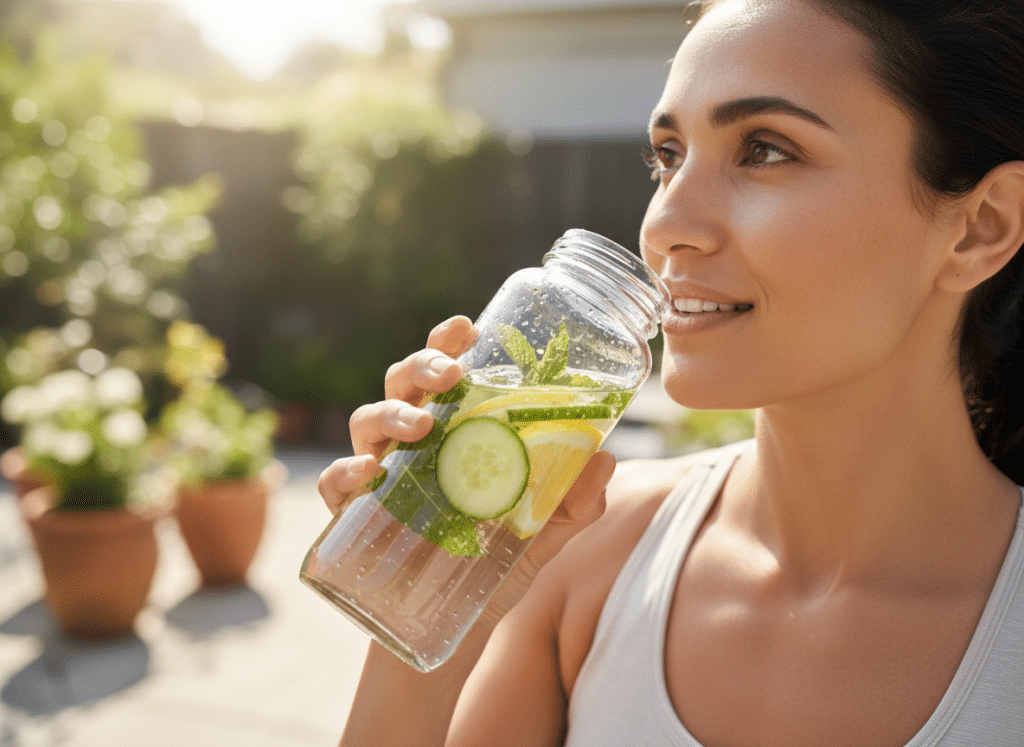
Instead of reaching for a sugary drink, opt for water. If you find plain water boring, try infusing it with fresh fruits, herbs, or cucumber slices for a refreshing twist. Herbal teas and sparkling water are also great low-calorie alternatives.
4. Combine Water with Healthy Habits
While water is a powerful tool for weight loss, it works best when combined with other healthy lifestyle changes. Pair your hydration habits with a balanced diet rich in whole foods like fruits, vegetables, lean proteins, and whole grains. Regular physical activity is also essential for burning calories, building muscle, and improving overall health.
In addition, consider tracking your water intake alongside your food and exercise habits. Many apps and fitness trackers make it easy to monitor your hydration levels, helping you stay accountable and motivated.

How Much Water Should You Drink for Weight Loss?
The amount of water you need each day can vary depending on factors like age, weight, activity level, and climate. However, a general guideline for weight loss is to aim for at least 60 ounces of water daily.
For optimal results, consider increasing your intake to 100 ounces per day.
It’s important to listen to your body and adjust your water intake as needed. If you’re sweating heavily during exercise or spending time in a hot climate, you may need to drink more water to stay properly hydrated.
Tips for Staying Hydrated
Drinking enough water each day can be challenging, especially if you’re not used to it. Here are some tips to help you stay on track:
- Carry a water bottle: Keep a reusable water bottle with you at all times to make it easy to sip throughout the day.
- Set reminders: Use your phone or a hydration app to remind you to drink water at regular intervals.
- Start your day with water: Drink a glass of water first thing in the morning to kickstart your metabolism and rehydrate after a night of sleep.
- Flavor your water: Add slices of lemon, lime, cucumber, or fresh herbs like mint to make your water more appealing.
- Track your intake: Use a journal or app to keep track of how much water you’re drinking each day.
- Drink water with meals: Make it a habit to drink water with every meal, which can help you stay hydrated and control your portion sizes.
The Science Behind Water and Weight Loss
Numerous studies have explored the relationship between water consumption and weight loss, and the results are promising. For example:
- A 2010 study published in the journal Obesity found that participants who drank 16 ounces of water before meals lost 44% more weight over 12 weeks compared to those who didn’t.
- Research published in the Journal of Clinical Endocrinology & Metabolism showed that drinking 16 ounces of water increased metabolic rate by 30% within 10 minutes, with the effect lasting for over an hour.
- A 2016 review in the Annals of Family Medicine concluded that individuals who are adequately hydrated have lower body mass index (BMI) and are less likely to be obese compared to those who are dehydrated.
These findings highlight the importance of water as a simple, effective, and accessible tool for weight management.
The Role of Water in a Holistic Approach to Weight Loss
While drinking water can certainly support weight loss, it’s important to remember that it’s not a standalone solution. Sustainable weight loss requires a holistic approach that includes:
- A Balanced Diet: Focus on whole, nutrient-dense foods like fruits, vegetables, lean proteins, and whole grains. Avoid processed foods, sugary snacks, and excessive amounts of refined carbohydrates.
- Regular Exercise: Aim for at least 150 minutes of moderate-intensity exercise per week, such as brisk walking, cycling, or swimming. Strength training is also important for building muscle and boosting metabolism.
- Adequate Sleep: Poor sleep can disrupt hormones that regulate hunger and appetite, making it harder to control your food intake. Aim for 7–9 hours of quality sleep per night.
- Stress Management: Chronic stress can lead to emotional eating and weight gain. Practice stress-reducing activities like yoga, meditation, or deep breathing exercises.
By incorporating water into a comprehensive weight loss plan, you’ll be setting yourself up for long-term success.

Common Myths About Water and Weight Loss
Despite its many benefits, there are some misconceptions about water and weight loss. Let’s debunk a few:
- Myth 1: Drinking water alone will make you lose weight. While water can support weight loss, it’s not a magic solution. You still need to maintain a caloric deficit by eating healthy and exercising regularly.
- Myth 2: You can’t drink too much water. While rare, it is possible to overhydrate, which can lead to a dangerous condition called hyponatremia. Listen to your body and avoid excessive water consumption.
- Myth 3: All beverages are equally hydrating. While other beverages can contribute to your daily fluid intake, many contain added sugars and calories that can hinder your weight loss efforts. Water is the best choice for hydration.

Final Thoughts
Water is not just a basic necessity for survival—it’s a powerful ally in your weight loss journey. By boosting your metabolism, suppressing appetite, reducing calorie intake, enhancing exercise performance, and supporting digestion, water plays a vital role in helping you achieve and maintain a healthy weight.
To make the most of water’s weight loss benefits, aim to drink at least 60 ounces of water per day, and consider increasing your intake to 100 ounces for optimal results. Incorporate simple strategies like drinking water before meals, replacing sugary beverages, and staying hydrated throughout the day. Remember, water works best when combined with a balanced diet, regular exercise, and other healthy lifestyle habits.
So, the next time you’re tempted to reach for a sugary soda or snack, grab a glass of water instead. It’s a small change that can make a big difference in your weight loss journey—and your overall health. Cheers to a healthier, happier you!
Reluctant Low Carb Life explores all aspects of keto and low-carb lifestyle, fitness, health, wellness, and aging gracefully. At the Reluctant Low Carb Life, we strive to give honest and accurate information to people trying to live the low-carb and keto lifestyle while improving their fitness and health.
We have a free monthly newsletter that is filled with information and helps you remain updated. Subscribe to the Reluctant Low Carb Life newsletter by clicking here.
Listen to our weekly podcast, Reluctant Low Carb Life, on all the major podcast platforms by clicking here.
Follow us on Instagram and Facebook by clicking here.
Related Questions
20 Reasons Why Swimming Is A Great Sport
We love swimming because it provides a low-impact, full-body workout that engages almost all your muscles while improving cardiovascular fitness and mental well-being. Swimming helps with weight management, enhances flexibility and posture, boosts breathing efficiency, and promotes relaxation. It’s a versatile activity suitable for all ages and fitness levels, making it easy to incorporate into your fitness regimen.
You can read more about 20 Reasons Why Swimming Is A Great Sport by clicking here.
Using MySwimPro App to Help Improve Your Swimming
Swimming, in its essence, can be a rather monotonous sport. You dive in, swim back and forth, and repeat. Without any form of stimulation or structure, it’s easy for the sport to become dull and unengaging. I’ve tried to make my swimming sessions more enjoyable by using headsets like the Ex Trainer, allowing me to listen to music or podcasts while I swim. This game-changer has made my time in the water much more pleasant. However, for those who don’t have access to headsets, swimming can quickly turn into a repetitive routine of laps.
You can read more about Using MySwimPro App to Help Improve Your Swimming by clicking here.
Swimming Vs. Walking For Weight Loss
If you’re trying to lose weight and enjoy swimming and walking, you may want to know what is better for weight loss. Both exercises can help you get fit and down to your optimal weight.
Most people will burn more calories by swimming than by walking. But whether swimming or walking is better for weight loss comes down to which exercise you will do consistently and which exercise you enjoy. People will tend to stick to an exercise they want more than one they do not like.
You can read more about Swimming Vs. Walking For Weight Loss by clicking here.