
Water or hydration,is the foundation of life. It’s the most essential nutrient, yet in today’s world, it’s often overlooked in favor of more exciting beverages. Whether you’re following a low-carb diet, seeking to improve your overall wellness, or simply trying to feel fresher and fuller throughout the day, hydration plays a crucial role in both freshness and satiety. Despite the array of flavored waters, energy drinks, sodas, and even “functional” beverages on the market, plain water remains unmatched in its benefits.
Read on as we will explore how hydration affects hunger and food enjoyment, why plain water is often the best choice, and the scientific reasons behind water’s role in satiety and freshness. We’ll also discuss how much water you should drink daily and why water should be your main drink each day.
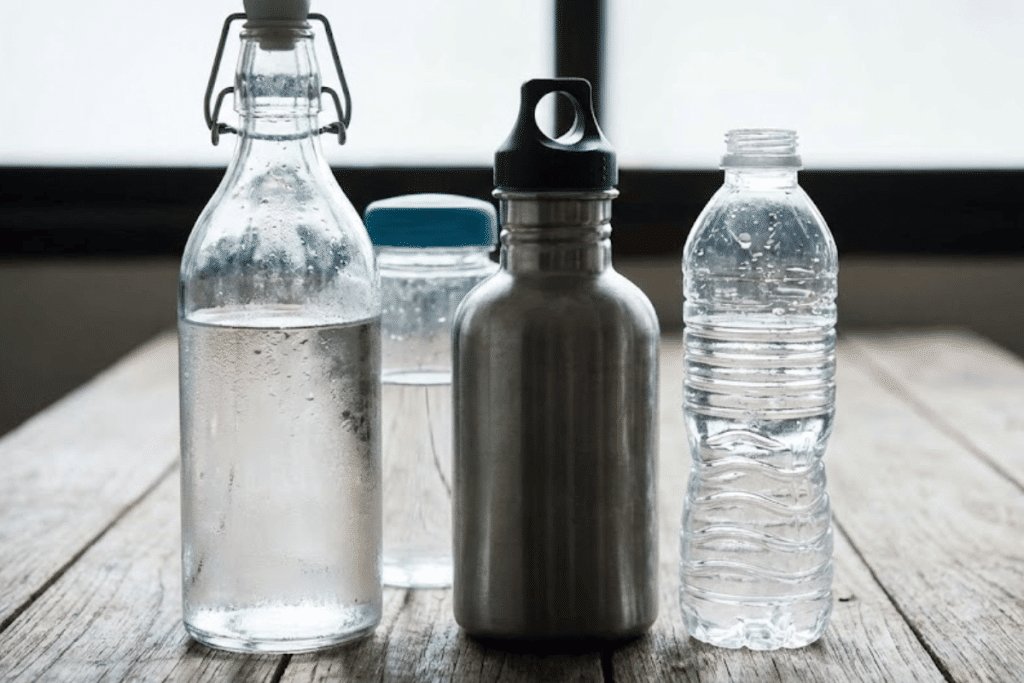
Hydration: The Foundation of Freshness
What is Freshness?
Freshness is a feeling—an experience that goes beyond just taste. It’s the sensation of being awake, alert, and ready for whatever the day brings.
Hydration is at the core of this feeling. When the body is well-hydrated, every system operates smoothly: cells are nourished, organs function optimally, and the mind feels clear.
How Hydration Contributes to Freshness
Water is involved in nearly every bodily function. It regulates temperature, transports nutrients, flushes out toxins, and supports digestion.
When you’re dehydrated, you may feel sluggish, tired, and less able to enjoy food and life’s simple pleasures. A well-hydrated body feels fresher, more energetic, and more vibrant.
Data Spotlight
- A study published in the journal Nutrition Reviews found that mild dehydration can significantly impair mood, energy levels, and cognitive functionThe European Food Safety Authority (EFSA) recommends a daily water intake of about 2 liters for women and 2.5 liters for men to maintain optimal freshness and health.

Hydration and Satiety: How Water Affects Hunger
What is Satiety?
Satiety is the feeling of fullness and satisfaction after eating. It’s what keeps us from overeating and helps us maintain a healthy weight. Hydration plays a surprising role in satiety—sometimes, what feels like hunger is actually thirst.
The Science Behind Water and Satiety
When you drink water before or during a meal, it can help you feel fuller and reduce the amount of food you eat. Water fills the stomach, triggers stretch receptors, and signals to the brain that you’re satisfied.
Key Findings
- A study in Obesity found that participants who drank 500 ml (about 2 cups) of water before meals lost more weight than those who didn’t.
- Research published in Appetite showed that drinking water can reduce calorie intake by up to 13% during a meal.
- The sensation of thirst is often confused with hunger, leading to unnecessary snacking and overeating.
Hydration and Low-Carb Diets
People on low-carb diets often experience increased thirst and changes in satiety. Carbohydrates retain water in the body, so when you reduce carbs, you lose water. Proper hydration becomes even more critical for these individuals to maintain freshness and fullness.

The Enjoyment of Food: Hydration’s Subtle Influence
Water Enhances Food Enjoyment
Hydration isn’t just about quenching thirst; it also affects how we enjoy food. A dry mouth, caused by dehydration, dulls taste and makes food less appealing. Drinking water ensures that your palate is fresh, allowing you to savor flavors and textures.
Why Plain Water Is Best
Today, many people prefer water with flavors, sweeteners, or added electrolytes. While these options can be enjoyable, plain water is often the healthiest and most effective choice for hydration. Here’s why:
1. No Added Calories or Chemicals
Plain water contains no calories, sugar, or artificial additives. Flavored waters and sports drinks often contain hidden sugars or chemicals that can undermine health goals.
2. Pure Hydration
Plain water is absorbed quickly and efficiently by the body. Additives can slow absorption or cause digestive issues for some people.
3. Natural Satiety
Drinking plain water before meals can help you feel full without masking hunger cues with flavors or sweeteners.
4. Cost and Accessibility
Plain water is inexpensive and accessible. Bottled flavored drinks can be costly and unnecessary for most people.

The Shift Away from Plain Water
The Modern Trend
In recent years, there’s been a shift away from plain water. Many people have stopped appreciating its simplicity, opting instead for water with fruit infusions, vitamins, or even carbonation. While these alternatives can be fun, they often distract from the basic need for pure hydration.
Why We Should Learn to Appreciate Plain Water Again
Plain water is the original, most effective hydrator. By returning to plain water, we can:
- Reconnect with our body’s natural thirst signals
- Avoid unnecessary calories and additives
- Support our health, freshness, and satiety
Data and Reasons
- The CDC reports that nearly half of all adults in the U.S. do not drink enough plain water daily.
- Studies show that people who drink mostly plain water have better overall health outcomes, including lower risk of obesity and chronic disease.

How Much Water Should You Drink Each Day?
General Recommendations
The amount of water each person needs varies based on age, sex, activity level, and climate. However, general guidelines include:
- Women: About 2 liters (8 cups) per day
- Men: About 2.5 liters (10 cups) per day
Although this is the recommended daily intake, most people don’t consume enough plain water. Aim to drink more, not less, to support your health.
Factors Affecting Water Needs
- Physical activity: Increases water requirements
- Climate: Hot or humid environments require more hydration
- Diet: High-protein, high-fiber, or low-carb diets increase water needs
- Health status: Illness, pregnancy, and breastfeeding alter hydration needs
Signs You Need More Water
- Dry mouth
- Fatigue
- Headaches
- Dark urine
- Poor concentration
Practical Tips
- Carry a reusable water bottle
- Drink a glass of water with every meal
- Set reminders to drink throughout the day
- Choose water as your main beverage
Why Water Should Be Your Main Drink Each Day
The Benefits of Making Water Your Primary Beverage
- Supports Weight Management
- Water aids in satiety, helping you avoid unnecessary calories.
- Promotes Freshness and Energy
- Proper hydration keeps you feeling alert and refreshed.
- Improves Digestion
- Water helps move food through the digestive tract and prevents constipation.
- Enhances Physical Performance
- Hydration is critical for muscle function and endurance.
- Boosts Mental Clarity
- Dehydration can impair focus and memory.
Avoiding Excess Calories and Chemicals
Many beverages—sodas, juices, energy drinks—are loaded with sugar and additives. By choosing water, you avoid these pitfalls and support your health.
The Low-Carb Connection
Low-carb diets are popular for weight loss and managing blood sugar. However, they can cause increased urination and fluid loss, making hydration even more important. Drinking plenty of plain water helps offset this effect, supports satiety, and maintains freshness.

The Psychological Shift: Learning to Love Plain Water
Rebuilding Appreciation
It’s time to rebuild our appreciation for plain water. Instead of viewing it as boring, recognize it as the ultimate drink for health and wellness. Try the following:
- Mindful Drinking: Savor each sip, noticing how it refreshes and satisfies.
- Habit Building: Replace one flavored drink per day with plain water.
- Education: Remind yourself of water’s benefits for body and mind.
Hydration is fundamental to freshness and satiety. Water affects hunger, food enjoyment, and overall well-being. While modern trends encourage us to seek out flavored or enhanced beverages, plain water remains the best choice for daily hydration.
Making water your main drink each day supports weight management, energy, digestion, and mental clarity. The science is clear: drinking enough plain water is one of the simplest and most effective ways to improve your health.
So, next time you reach for a beverage, consider the humble glass of water. It’s the original, most powerful hydrator—and your body will thank you for choosing it.
Deep Dive Podcast on Hydration
Check out our podcast about hydration for more information.
At Reluctant Low Carb Life, we are staunch advocates of the Health Trifecta: Fullness, Fitness, and Freshness. Additionally, we embrace the pillars of health, wellness, and graceful aging. Our mission is to provide honest and precise information to individuals dedicated to adopting a healthy lifestyle while enhancing their fitness and well-being.
We have a free monthly newsletter that is filled with information and helps you remain updated. Subscribe to the Reluctant Low Carb Life newsletter by clicking here.
Listen to our weekly podcast, Reluctant Low Carb Life and Deep Dive By Reluctant Low Carb Life, on all the major podcast platforms by clicking here.
Follow us on Instagram and Facebook by clicking those Social Media.
Related Questions
The “Triple E” Framework: Finding the Sweet Spot Between Trying Too Hard and Giving Up
Let’s be honest with each other. If you’re reading a blog called “Reluctant Low Carb Life,” you probably aren’t waking up at 4:30 a.m. bursting with excitement to crush a kale smoothie and run ten miles. You want to be healthy, you want to manage your weight, and you want to feel better, but you also want to live a real life. You want a way of eating that doesn’t feel like a part-time job or a punishment for enjoying food.
The “Triple E” Framework: Finding the Sweet Spot Between Trying Too Hard and Giving Up To learn more click here.
The Wake-Up Call at the Doctor’s Office: Why I’m Picking Up Weights
The numbers didn’t lie: by the time we hit our 30s, we start losing muscle mass, and by the time we’re older, that loss accelerates dramatically. Combine that with the increased risk of osteoporosis, slower metabolism, and reduced mobility, and I realized I was on a path I couldn’t afford to ignore. My doctor’s advice was clear: start lifting weights. Not just to look better, but to feel better, to stay strong, and to maintain my independence as I age. That moment changed my perspective on fitness forever.
The Wake-Up Call at the Doctor’s Office: Why I’m Picking Up Weights Discover more by clicking here.
The Satiety Index: Why 500 Calories of Steak Feels Different Than 500 Calories of Pasta
We have all been there. You finish a large bowl of pasta—perhaps even a “healthy” portion of whole-wheat noodles—and within two hours, your stomach is growling again. You feel a strange mix of being physically bloated yet biologically hungry. On the other hand, if you eat a 10-ounce steak with a side of asparagus, you might find yourself skipping the next meal entirely because you simply aren’t interested in food.
The Satiety Index: Why 500 Calories of Steak Feels Different Than 500 Calories of Pasta Discover more by clicking here.