
In the modern Western world, morning is a battlefield. It begins with the jarring blare of an alarm, followed by a frantic rush to ready oneself for the day. We are told to “fuel up” for this daily war, leading millions to consume a rapid-fire combination of refined carbohydrates and immediate, high-dose caffeine. We grab a bagel, a bowl of processed cereal, or a pastry alongside an oversized iced latte, operating under the cultural myth that we must eat massive amounts of quick-burning carbohydrates to secure “energy” for the office hours ahead.
Yet, by 10:30 AM, the illusion shatters. The initial surge of energy gives way to a familiar mental fog, an irritable craving for a mid-morning snack, and a profound sense of fatigue. This is the classic Western metabolic trap: a self-inflicted, 24-hour glucose roller coaster that dictates our mood, paralyzes our fat-burning pathways, and leaves us metabolically exhausted before the noon hour even arrives.

Unlocking the Metabolic Advantage of Mediterranean Mornings
There is an alternative. Thousands of miles away, along the sun-drenched coasts of the Mediterranean and within the longevity-dense “Blue Zones,” mornings look entirely different. There is no frantic rush, no sugar-laden breakfast, and no immediate flood of stress hormones.
Instead, Mediterranean mornings are defined by a physiological calm, a savory-first culinary tradition, and natural, functional movement. This isn’t just an aesthetic lifestyle choice; it is a profound evolutionary blueprint that unlocks metabolic flexibility—the body’s innate ability to transition seamlessly between burning carbohydrates and burning stored body fat.
By understanding the stark divergence between the high-stress Western morning and the biologically optimized Mediterranean morning, we can dismantle the modern myths of nutrition and reclaim our native metabolic power.
1. The 24-Hour Glucose Roller Coaster vs. Metabolic Flexibility and Metabolic Advantage
To understand why the Western morning routine is so destructive, we must look at the physiological aftermath of the standard breakfast.
When you consume a meal dominant in refined carbohydrates—such as white bread, pastries, sweetened yogurts, or instant oats—your digestive system rapidly converts these complex molecules into simple glucose. This glucose floods your bloodstream, causing a sharp, unnatural spike in blood sugar levels.
In response to this sudden influx, your pancreas works overtime to secrete massive amounts of insulin. Insulin is the master storage hormone; its primary job is to clear glucose from the bloodstream and usher it into your cells.
However, when a glucose spike is exceptionally steep, the resulting insulin surge is often disproportionately large. This causes blood sugar levels to crash violently below your baseline baseline within two to three hours of eating.
This rapid drop—reactive hypoglycemia—is the true culprit behind your mid-morning crash. Your brain, sensing a sudden drop in its primary fuel source, panics. It triggers intense cravings for fast-acting sugars and simple carbohydrates, accompanied by a wave of cortisol and adrenaline to force glucose back into the system. You reach for another cup of coffee and a pastry, initiating a second spike-and-crash cycle. By lunch, you are locked into a 24-hour glucose roller coaster.
The compounding tragedy of this cycle is that chronically high insulin levels completely freeze fat oxidation. As long as insulin is elevated in the bloodstream, your adipose tissue (stored body fat) is locked down. Your body cannot access its most abundant, long-burning energy reserve. You become entirely dependent on external, short-term sugar inputs to keep moving.

Redefining Metabolic Flexibility and Metabolic Advantage
True health is not measured by how much sugar you can burn; it is measured by metabolic flexibility. This is the evolutionary capacity of your cells to effortlessly switch fuel sources based on availability. In a metabolically flexible individual, when dietary carbohydrates are low, the body seamlessly transitions to oxidizing fatty acids and ketones for fuel. When carbohydrates are consumed, it shifts back to utilizing glucose.
The modern Western lifestyle has systematically destroyed this flexibility. Because our cells are continuously bathed in glucose and insulin, they lose the enzymatic machinery required to burn fat efficiently. We become metabolically rigid.
The Blue Zone morning philosophy challenges the pervasive “eat for energy” myth. The longest-lived populations on Earth do not view food as a high-octane fuel that must be violently jammed into the system the moment they open their eyes.
They view food as a slow, deliberate nourishment that works in tandem with the body’s natural circadian rhythms. They don’t eat to shock themselves awake; they eat to sustain a baseline of metabolic peace that preserves insulin sensitivity for the entire day.
2. The Cortisol-Caffeine Trap vs. Mediterranean Calm
The metabolic sabotage of a Western morning begins long before the first bite of food. It starts with how we handle our waking hormones.
In a healthy human body, waking up is naturally driven by a surge of cortisol, known as the Cortisol Awakening Response (CAR). Cortisol is a glucocorticoid hormone; its job is to naturally elevate blood pressure, mobilize amino acids and fatty acids, and increase blood glucose slightly so you have the physical drive to rise and seek out your day. It peaks roughly 30 to 45 minutes after waking.
In the Western routine, this natural cortisol peak is immediately met with an aggressive counter-input: a concentrated dose of caffeine consumed on an empty stomach, followed shortly by the psychological stress of checking emails or enduring a high-stress commute.
When you layer caffeine and acute stress on top of a natural cortisol peak, you create an exaggerated, hyper-cortisolemic state. Cortisol stimulates the liver to perform gluconeogenesis and glycogenolysis—essentially forcing your liver to dump stored glucose into your bloodstream, even if you haven’t eaten a single carbohydrate. This stress-induced glucose surge triggers an insulin response.
Thus, before you have even arrived at your desk, your body is swimming in a toxic cocktail of high cortisol and high insulin. Because insulin is elevated alongside stress hormones, your body is physiological barred from burning fat. You feel wired, anxious, and simultaneously exhausted—a state often described as “tired and wired.”
Il Dolce Far Niente: The Physiology of Doing Nothing
In stark contrast, Mediterranean cultures have long guarded their mornings against the intrusion of acute stress. This is embodied in the Italian concept of “Il Dolce Far Niente”—the sweetness of doing nothing.
In a traditional Mediterranean morning, the first hour of the day is sacred. It is spent sitting quietly, conversing with family, sipping a small, diluted espresso after or alongside a slow breakfast, and allowing the body to naturally transition out of sleep.
From a metabolic perspective, this practice is profoundly restorative. By keeping morning stress low, you prevent the unnatural amplification of the Cortisol Awakening Response. Your liver does not dump excess glucose into your blood, your baseline insulin remains low, and your cells maintain high insulin sensitivity. You allow the body’s natural waking mechanics to do their job without shocking the system into a defensive, fat-storing posture.
Photobiomodulation: Setting the Circadian Clock
Another critical, yet frequently overlooked, component of the Mediterranean morning is immediate exposure to natural environment light. Whether it is an agricultural worker tending to crops in Ikaria or an elder sitting on a sunlit patio in Sardinia, morning sunlight exposure within 20 minutes of waking is a cultural constant.
When full-spectrum natural sunlight enters the human eye, it hits specialized cells in the retina called intrinsically photosensitive retinal ganglion cells (ipRGCs). These cells send a direct signal to the suprachiasmatic nucleus (SCN) in the brain—your body’s master circadian clock.
This morning light exposure does two vital things for your metabolism:
- It immediately suppresses melatonin production, signaling to the entire cellular network that the active, metabolic phase of the day has begun.
- It sets a hard countdown timer for the evening. Proper morning light exposure directly regulates the timing and quality of nighttime melatonin release.
Why does this matter for your metabolism? Melatonin and insulin have an inverse relationship. When melatonin rises at night, it binds to receptors on the pancreas, temporarily turning down insulin secretion to protect the body from hypoglycemia during sleep.
If your circadian rhythm is disrupted by a lack of morning sunlight and excessive evening blue light, your body will secrete insulin at the wrong times, leading to nighttime metabolic chaos and elevated fasting glucose the next morning.

3. Savory Over Sweet for Sustained Fat Oxidation
If the Western breakfast is a celebration of sugar and refined starch, the Mediterranean breakfast is an homage to healthy fats, fat-soluble vitamins, and clean, savory proteins.
The typical Western breakfast table is loaded with high-glycemic index foods: orange juice (which strips away the fiber of the fruit, leaving a concentrated shot of fructose), pancakes, sweetened yogurts, pastries, and white toast. These foods trigger a massive, immediate mid-morning insulin spike.
Fructose is particularly problematic; it can only be metabolized by the liver. When the liver is flooded with a high volume of fructose from a morning glass of juice, it rapidly converts the excess sugar into lipids via de novo lipogenesis, contributing directly to non-alcoholic fatty liver disease and systemic insulin resistance.
The Mediterranean Savory Start
The traditional Mediterranean morning menu completely disrupts this paradigm. It features foods like wild greens, whole eggs poached in olive oil, sheep or goat’s milk cheeses, wild caught fish, tomatoes, cucumbers, and legumes like chickpeas or fava beans.
The metabolic magic of this dietary approach lies in the absence of a glucose spike. When you begin your day with healthy fats and proteins, your blood glucose levels trace a gentle, flat line. Because there is no dramatic sugar influx, your pancreas releases only a minimal, basal amount of insulin.
With insulin kept at a low, stable baseline, your body can tap into its endogenous energy reserves—your adipose tissue. Even if you are sitting at a desk during your morning office hours, your muscle cells and organs can easily oxidize fatty acids for fuel. You bypass the need for external snacks because you are fueling yourself from the inside out.
The Power of High-Polyphenol Extra Virgin Olive Oil
No discussion of the Mediterranean morning is complete without its foundational superfood: extra virgin olive oil (EVOO). A traditional morning often includes a generous drizzle of raw, high-polyphenol EVOO over vegetables, eggs, or a modest slice of sourdough ancient grain bread.
EVOO is exceptionally rich in monounsaturated fatty acids (primarily oleic acid) and potent antioxidant compounds such as oleuropein and oleocanthal.
When consumed at the start of the day, these compounds exert a powerful influence over your metabolic machinery:
- Slowing Gastric Emptying: Fats take longer to exit the stomach, naturally slowing down the digestion and absorption of any carbohydrates present in the meal. This dramatically blunts the glycemic impact of your food.
- Activating PPAR-Alpha: Oleic acid acts as a signaling molecule that activates Peroxisome Proliferator-Activated Receptor Alpha (PPAR-$\alpha$). This nuclear receptor protein upregulates the expression of genes involved in fatty acid transport and beta-oxidation. In simple terms, olive oil biochemically turns on your body’s fat-burning switches.
- Reducing Cellular Inflammation: The polyphenols in EVOO mitigate oxidative stress at the mitochondrial level, repairing the cellular pathways required for long-term insulin sensitivity.

4. Strategic Movement and the Post-Meal Ritual and Metabolic Advantage
In Western fitness culture, we tend to view exercise through an extreme, compartmentalized lens. We participate in the “gym-then-sit” phenomenon: waking up early to engage in an intense, 60-minute high-intensity interval training (HIIT) session, only to spend the remaining 10 to 12 hours of the day completely sedentary at an office desk or in a car.
While intense exercise has its place, this highly fragmented approach fails to mimic how the human body evolved to handle metabolism. When you sit for hours on end immediately after an intense workout, your skeletal muscles drop into a state of metabolic hibernation. Production of lipoprotein lipase (an enzyme critical for clearing fats from the bloodstream) plummets, and your insulin sensitivity stalls.
The Post-Prandial Walk: Non-Insulin Mediated Glucose Uptake
The Mediterranean lifestyle approaches physical activity through a paradigm of continuous, low-intensity functional movement. The most powerful manifestation of this is the post-meal ritual—often referred to in Italy as the “Passeggiata.” While traditionally performed after dinner, a mini-passeggiata of 10 to 15 minutes is a common practice after the first meal of the day.
The physiological impact of a simple 10-minute walk after eating is nothing short of extraordinary. When your muscles contract during a light walk, they require energy. To meet this demand, skeletal muscle cells deploy specialized glucose transporter proteins called GLUT4 to their cell membranes.
Crucially, during physical contraction, this GLUT4 translocation occurs independently of insulin. Your muscles can literally pull glucose straight out of your bloodstream without requiring your pancreas to secrete a single drop of extra insulin.
By taking a short, leisurely stroll after your breakfast, you flatten the post-meal glucose curve mechanically. You clear the sugar from your blood before it can be converted into fat, while simultaneously protecting your pancreas from long-term burnout.
Mitochondrial Efficiency and Neat
This continuous, low-intensity morning activity—tending a garden, walking to a local market, or cleaning up the homestead—falls under the scientific category of NEAT (Non-Exercise Activity Thermogenesis).
NEAT is the true hero of metabolic health. Continuous, gentle movement keeps your cellular powerhouses—the mitochondria—operating at peak efficiency. When you sit for prolonged periods, the electron transport chain inside your mitochondria bogs down; electrons begin to leak out, creating damaging reactive oxygen species (ROS) that induce cellular insulin resistance.
Light morning movement keeps the electron transport chain flowing smoothly, maintaining high mitochondrial efficiency that persists long into the afternoon.

5. Long-Term Adaptation and Your New Baseline for Metabolic Advantage
Transitioning to a Mediterranean morning is not a “quick-fix diet” or a short-term biohack; it is a fundamental shift in your physiological baseline.
Western populations are plagued by metabolic stagnation—a state where the body, acclimated to continuous glucose inputs and total physical stillness, simply forgets how to adapt to changing environments. This stagnation manifests as stubborn abdominal fat storage, systemic inflammation, chronic fatigue, and eventual metabolic syndrome.
When you consistently anchor your mornings in the Mediterranean philosophy, your body undergoes deep epigenetic and structural adaptations:
- Your cells synthesize more mitochondria (mitochondrial biogenesis) to handle the steady stream of clean fatty acid fuel.
- Your baseline fasting insulin levels drop, allowing your body to spontaneously access and burn stored body fat for hours at a time without causing perceived hunger.
- Your systemic inflammatory markers (like hs-CRP) decline as you eliminate the daily storm of advanced glycation end-products caused by high-sugar breakfast foods.
Why Consistency Trumps Extreme Fasting
In recent years, intermittent fasting has exploded in popularity as a weapon against metabolic disease. Many well-meaning individuals fast drastically all morning, relying on black coffee and sheer willpower to push through to their first meal at 2 PM.
While fasting can be highly beneficial, extreme, stressful fasting protocols often backfire in our already hyper-stressed Western environment. Pushing through an intense fast with high caffeine consumption frequently sends cortisol sky-high, causing the liver to dump glucose anyway and leaving the individual feeling anxious and ravenous by late afternoon. This often leads to overeating and massive glucose spikes later in the day.
The Mediterranean approach offers a far more sustainable, natural alternative. Rather than starving the body through a state of high-stress deprivation, it nurtures the body into metabolic flexibility through consistent, biological predictability. By providing your system with clean, low-insulin-stimulating fuel at a predictable time, alongside natural light and minimal stress, you lower the body’s perceived threat level. Your nervous system calms down, your hormonal axes stabilize, and your metabolism naturally optimizes itself.

Your Blueprint for a Mediterranean Morning Transformation and Metabolic Advantage
Reclaiming your native metabolic health does not require moving to an Italian island. You can build a highly effective Mediterranean metabolic oasis exactly where you are today.
Here is your actionable, step-by-step roadmap to transition your morning routine over the next 30 days, building a flexible, resilient metabolism for life:
Phase 1: The First 20 Minutes (The Calming Reset)
- Delay Caffeine: Do not drink caffeine within the first 60 to 90 minutes of waking. Allow your natural Cortisol Awakening Response to clear out sleepiness naturally without creating a hyper-cortisolemic state.
- Seek Natural Light: Within 20 minutes of waking, step outside. Look toward the morning horizon (never directly at the sun) for 5 to 10 minutes. If it is overcast, stay out for 15 minutes. This locks in your suprachiasmatic nucleus and optimizes your evening insulin baseline.
- Embrace the Quiet: Establish a strict ban on checking emails, work Slack channels, or news headlines for the first 30 minutes of the day. Protect your morning from acute psychological stress to maintain high insulin sensitivity.
Phase 2: The Plate Overhaul (The Savory Transition)
- Kill the Sweet Breakfast: Eliminate all fruit juices, pastries, refined cereals, instant oats, and sweetened dairy products from your morning kitchen.
- Build a Savory Foundation: Design a breakfast centered on high-quality protein and healthy fats. Examples include:
- Two whole pasture-raised eggs scrambled in 1–2 tablespoons of high-polyphenol extra virgin olive oil, served with sliced cucumbers and cherry tomatoes.
- A savory bowl of warm chickpeas topped with wild greens, a dollop of full-fat goat’s milk yogurt, and a generous drizzle of raw olive oil.
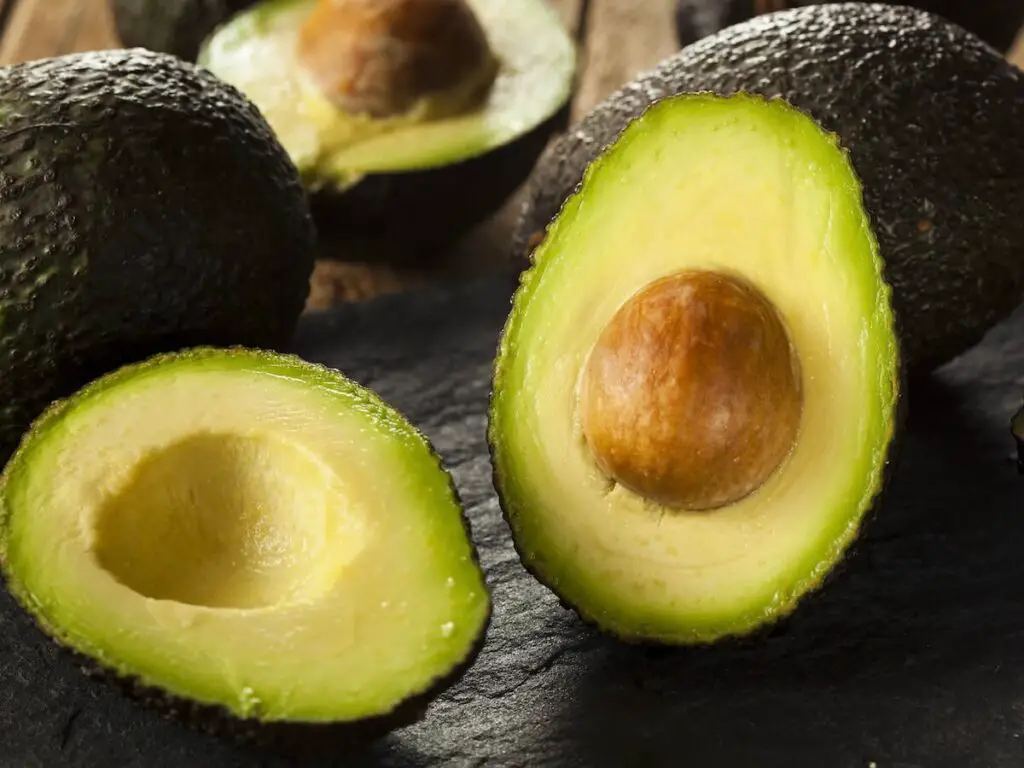
- Wild smoked salmon wrapped around avocado slices with a side of mixed olives.
- The Olive Oil Ritual: Ensure you are getting at least one to two tablespoons of raw, unheated extra virgin olive oil with your morning meal to directly activate your fat-burning PPAR-$\alpha$ pathways.

Phase 3: The Functional Close (The Movement Anchor)
- The 10-Minute Passeggiata: Within 15 minutes of finishing your savory breakfast, lace up your shoes and step outside for a light, 10-to-15-minute walk. Do not jog or run; keep the intensity conversational.
- Mechanical Glucose Clearance: Use this walk to mechanically clear post-meal glucose from your blood via non-insulin mediated pathways, permanently shattering the 24-hour glucose roller coaster.
By replacing the frantic, sugar-fueled Western morning with the mindful, biology-aligned rituals of the Mediterranean, you stop fighting against your physiology. You step off the exhausting roller coaster of crashes and cravings, and step into a life of steady, sustained energy, metabolic resilience, and radiant health.
At Reluctant Low Carb Life, we are staunch advocates of the Health Trifecta: Fullness, Fitness, and Freshness. Additionally, we embrace the pillars of health, wellness, and graceful aging. Our mission is to provide honest and precise information to individuals dedicated to adopting a healthy lifestyle while enhancing their fitness and well-being.
We have a free monthly newsletter that is filled with information and helps you remain updated. Subscribe to the Reluctant Low Carb Life newsletter by clicking here.
Listen to our weekly podcast, Reluctant Low Carb Life and Deep Dive By Reluctant Low Carb Life, on all the major podcast platforms by clicking here.
Follow us on Instagram and Facebook by clicking those Social Media.
Related Questions
The “Triple E” Framework: Finding the Sweet Spot Between Trying Too Hard and Giving Up
Let’s be honest with each other. If you’re reading a blog called “Reluctant Low Carb Life,” you probably aren’t waking up at 4:30 a.m. bursting with excitement to crush a kale smoothie and run ten miles. You want to be healthy, you want to manage your weight, and you want to feel better, but you also want to live a real life. You want a way of eating that doesn’t feel like a part-time job or a punishment for enjoying food.
The “Triple E” Framework: Finding the Sweet Spot Between Trying Too Hard and Giving Up To learn more click here.
The Wake-Up Call at the Doctor’s Office: Why I’m Picking Up Weights
The numbers didn’t lie: by the time we hit our 30s, we start losing muscle mass, and by the time we’re older, that loss accelerates dramatically. Combine that with the increased risk of osteoporosis, slower metabolism, and reduced mobility, and I realized I was on a path I couldn’t afford to ignore. My doctor’s advice was clear: start lifting weights. Not just to look better, but to feel better, to stay strong, and to maintain my independence as I age. That moment changed my perspective on fitness forever.
The Wake-Up Call at the Doctor’s Office: Why I’m Picking Up Weights Discover more by clicking here.
The Satiety Index: Why 500 Calories of Steak Feels Different Than 500 Calories of Pasta
We have all been there. You finish a large bowl of pasta—perhaps even a “healthy” portion of whole-wheat noodles—and within two hours, your stomach is growling again. You feel a strange mix of being physically bloated yet biologically hungry. On the other hand, if you eat a 10-ounce steak with a side of asparagus, you might find yourself skipping the next meal entirely because you simply aren’t interested in food.
The Satiety Index: Why 500 Calories of Steak Feels Different Than 500 Calories of Pasta Discover more by clicking here.