
Lately, I’ve found myself falling down a bit of a rabbit hole on YouTube and TikTok. I’ve been watching a lot of videos showcasing the massive hauls people bring home from places like Costco and Sam’s Club. You know the ones—where giant carts are piled high with neatly boxed, beautifully branded convenience items that are not homemade food choices.
And let’s be completely honest: it’s incredibly tempting. I’m not talking about walking into a warehouse club and buying a massive primal cut of beef or a giant bag of fresh broccoli. I’m talking about the aisles that promise to make our hectic modern lives a breeze. The bags of pre-popped popcorn, the organic granola bars, the individual snack packs tailored for quick lunches, and those pre-made, heat-and-eat meals that take the stress out of dinner after a grueling day.

The Convenience Trap: Why Packaged Food (Even the “Healthy” Kind) Can’t Touch Homemade Food
Today, marketing teams have gotten brilliant. You look at these packages and see labels like “Gluten-Free,” “Organic,” “Keto-Certified,” “Low-Carb,” or “Made with Whole Grains.” It makes you think, “Wow, we live in a great time. I can have all the convenience in the world and still eat perfectly healthy.”
But as I watched these videos and looked at the sheer volume of packaged goods we’re consuming, a question kept nagging at me: Are these packaged foods really as healthy as what we can make at home?
Despite all the marketing, the shiny seals of approval, and the undeniable ease they bring to our daily lives, my own experience and thoughts keep leading me back to one undeniable truth. If you want the absolute best version of health, fresh, homemade food wins by a landslide every single time.
At its core, this is exactly what we believe. True health—especially when you are mindful of your carbohydrate intake and overall wellness—means prioritizing fresh, whole foods whenever possible. But living that way requires a shift in how we view convenience. It means acknowledging that if you want popcorn, you might actually need to pop it yourself. If you want a crisp salad, you need to chop the vegetables fresh.
It takes more time, yes. But the payoff in how you feel, how it tastes, and the absolute control you gain over what enters your body is completely unmatched. Let’s dive deep into why packaged foods fall short, what really happens behind the scenes of “healthy” convenience, and why stepping back into your own kitchen is the most powerful health decision you can make.

The Illusion of the “Healthy” Label Vs Homemade Food
Walk down any grocery store aisle today, and you’ll notice that packaged food packaging reads more like a health manifesto than a food label. Food scientists and marketing departments have completely decoded what health-conscious consumers are looking for. They know we want less sugar, fewer bad carbs, cleaner ingredients, and sustained energy.
So, they give us exactly what we want to see on the front of the box:
- “All Natural” (A term so loosely regulated by food authorities it practically means nothing)
- “Made with Real Fruit” (Even if that fruit is just a fraction of a percent of fruit juice concentrate)
- “No Sugar Added” (While hiding high-glycemic sugar substitutes or sugar alcohols that can still cause digestive distress or trigger cravings)
When we see these buzzwords, our brains experience a phenomenon psychologists call the “health halo.” We assume that because a product is low-carb or organic, it’s automatically good for us, and we can consume it without guilt or limits.
But the front of the package is marketing. The back of the package is reality.
When you flip that box of granola bars or that bag of savory snack puffs over and look at the actual ingredient deck, the illusion starts to crumble. Even in the most upscale warehouse clubs that pride themselves on carrying high-end, clean brands, packaged food is still packaged food. To sit on a shelf for weeks or months, to survive shipping in hot trucks, and to remain palatable, it requires industrial intervention.
What Packaged Foods Take Away: Control and Transparency Vs Homemade Food
The biggest problem with relying on pre-packaged treats and meals is that you completely surrender control over what goes into your body. You are placing your health entirely in the hands of a corporation whose primary metric of success is profit margin and shelf-life, not your cellular wellness.
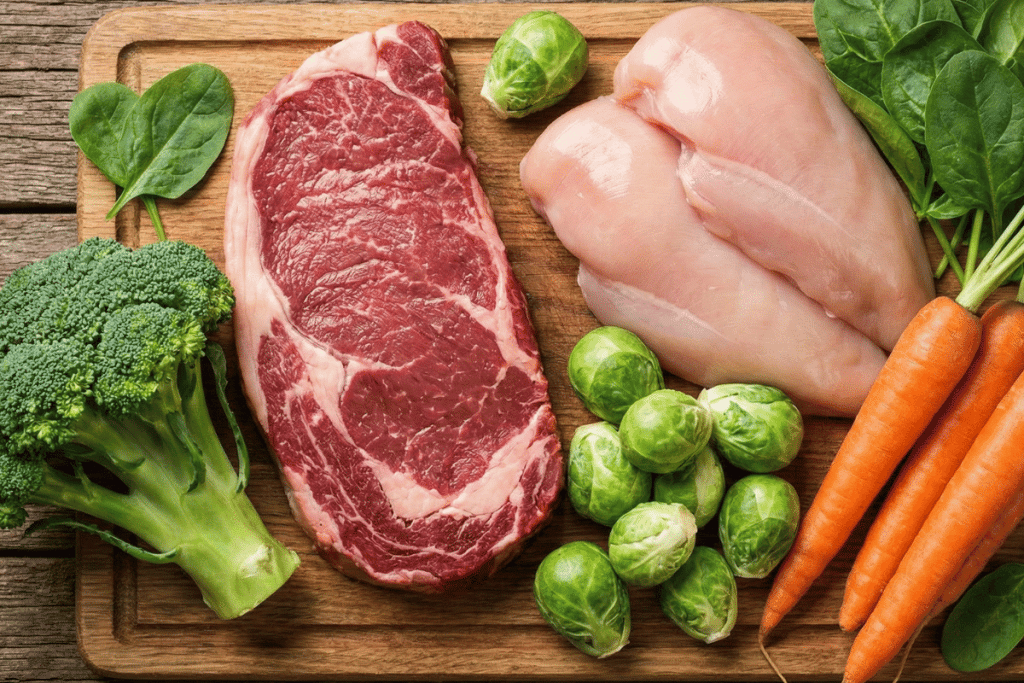
When you make a meal or a snack at home, you have 100% transparency. If you make a batch of beef and broccoli for dinner, you know exactly how much oil went into the pan, the quality of the beef, and precisely how much salt or sweetener is in the sauce.
When you buy a pre-made version of that exact same dinner from the freezer section, you are suddenly consuming a long list of hidden extras.
1. The Vegetable Oil Problem
This is one of the biggest hidden dangers in packaged foods, especially for anyone trying to maintain a clean, low-carb lifestyle. Pick up almost any bag of pre-popped popcorn, vegetable chips, or baked savory treats—even the organic ones. Look at the ingredients. More often than not, you will see highly refined, industrial seed oils like canola oil, soybean oil, corn oil, sunflower oil, or safflower oil.
These oils are incredibly cheap, highly processed, and rich in Omega-6 fatty acids. When consumed in the massive quantities found in modern packaged foods, they can promote systemic inflammation in the body.
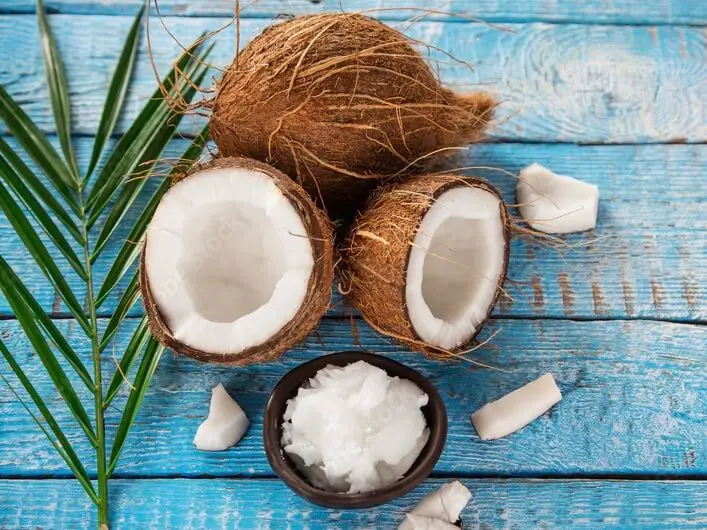
When you pop your own popcorn at home, you have the luxury of using a tablespoon of grass-fed butter, pure coconut oil, or extra virgin olive oil. You get healthy fats that support your brain and metabolism, rather than industrial oils that work against your health goals.
2. Hidden Sugars and Carbohydrate Creep
For those of us keeping an eye on carbs and striving for a high-satiety lifestyle, packaged snacks are a minefield. Granola bars, protein bars, and “healthy” meal replacements are notorious for this.
To make a low-carb or high-protein bar taste good enough to compete with a candy bar, manufacturers rely heavily on chemically altered fibers (like isomaltooligosaccharides or soluble corn fiber), sugar alcohols, and artificial sweeteners.
While these might technically keep the “net carb” count low on paper, many people find that these highly processed ingredients still trigger insulin spikes, cause intense cravings for more sweets, and completely disrupt gut health. When you make your own snacks at home—like a handful of fresh walnuts, a hard-boiled egg, or a quick homemade seed cracker—there are no chemical magic tricks. What you see is what you get.
3. Sodium and Preservative Overload
Sodium is a natural, essential mineral, but packaged convenience foods use it heavily as both a flavor enhancer and a preservative. Pre-packaged lunches, snack packs, and ready-to-eat dinner bowls are often swimming in sodium levels that represent a massive percentage of your daily recommended intake in a single, small serving. Along with that comes an array of emulsifiers, stabilizers, and anti-caking agents designed to keep the food from separating or looking unappealing in the box. Your body has to process all of those synthetic additives.

Fresh Food and the Power of High-Satiety Eating with Homemade Food
At our core, we strongly believe in eating fresh, whole foods whenever possible because of how it transforms your relationship with hunger.
When you eat food that comes out of a factory box, it is often fundamentally altered. The natural matrix of the food has been broken down. Whole grains are pulverized into fine flours; fibers are stripped away and then artificially added back in; proteins are isolated into powders. Because the food is so highly processed, your body digests it incredibly fast.
Have you ever noticed how easy it is to sit down with a giant bag of pre-popped, store-bought popcorn and eat the entire thing without even thinking about it? Or how you can eat a commercial granola bar and find your stomach growling for something else just an hour later?
These foods lack what we call high satiety. They don’t truly satisfy the body at a cellular level because they are missing the intact structural integrity, natural moisture, and pure nutrient density of fresh food.
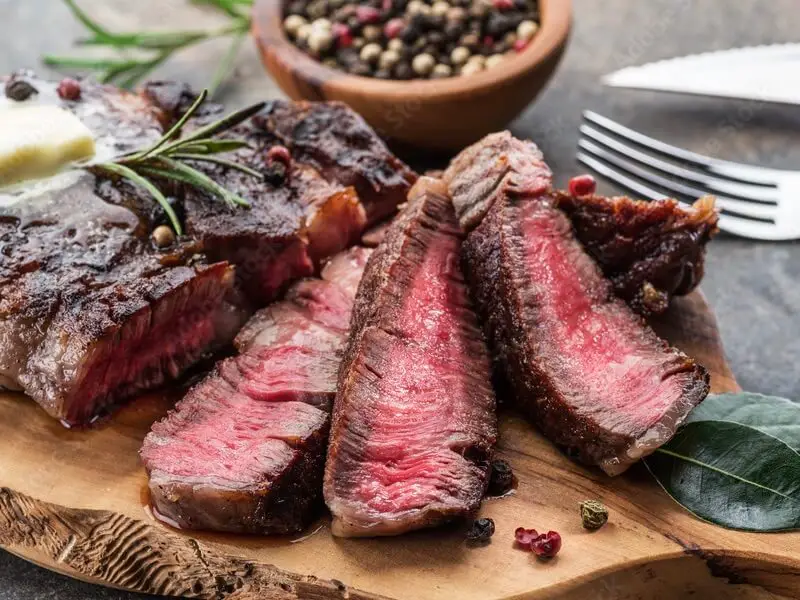
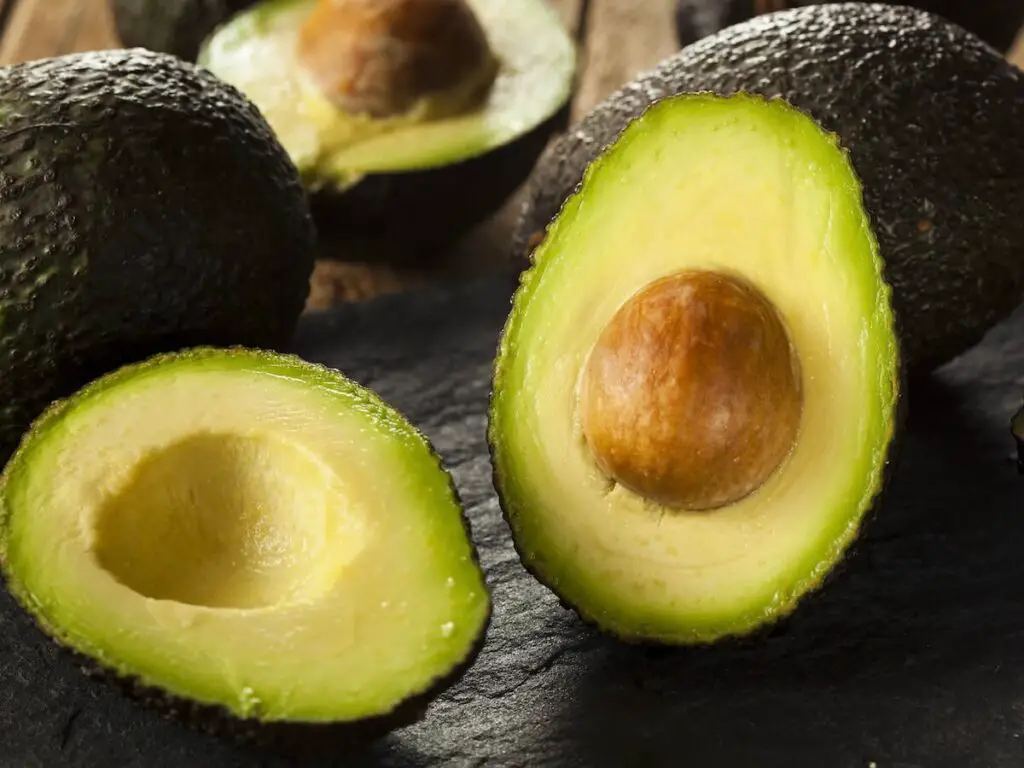
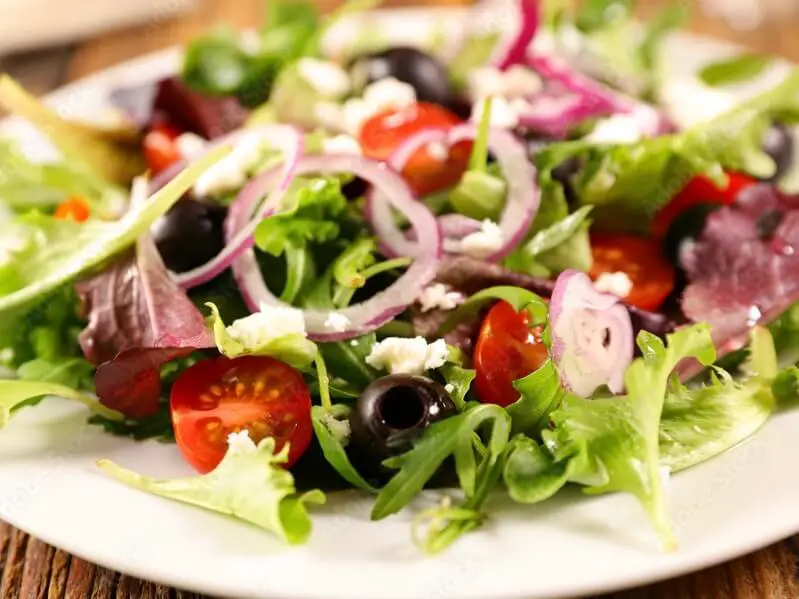
When you pivot to fresh, homemade cooking, your satiety levels skyrocket. When you prepare a fresh piece of salmon, sear a quality steak, or chop up a massive salad loaded with leafy greens, crunchy cucumbers, avocado, and homemade olive oil dressing, you are giving your body real, complex, unaltered fuel.
Fresh food takes longer for your body to break down. It provides a slow, steady release of energy without the dramatic spikes and crashes in blood sugar that drive continuous snacking. When you eat fresh, you naturally eat less overall because your body is genuinely satisfied. You aren’t fighting your willpower; you are working with your biology.
The Real Cost of Convenience Vs Homemade Food
If fresh homemade food is so clearly superior for our health, why are warehouse clubs doing a billion-dollar business in packaged goods? Why are our pantries filled with boxes and crinkly plastic bags?
It all comes down to one word: Convenience.
We live in a culture that values speed above almost everything else. We are rushed for time, juggling careers, families, and endless commitments. Turning on the stove or pulling out a cutting board can feel like an overwhelming chore at the end of a 10-hour day. Packaged food sells us back our time. It promises to remove the friction from feeding ourselves.
But we have to look closely at what that convenience actually costs us.
We aren’t just paying for these items with our wallets—though buying pre-packaged, individually portioned snack packs is significantly more expensive per pound than buying whole, raw ingredients. We are paying for them with our long-term vitality, our energy levels, and our metabolic health.
When we outsource our cooking to food manufacturing corporations, we slowly lose our connection to food. We lose the basic life skills of scratch cooking, flavor balancing, and food preparation. Food stops being a nourishing ritual and becomes a mere transaction—something we rip open, microwave, and consume mindlessly while staring at a screen.

Taking Back Your Kitchen: Simple Ways to Choose Fresh Homemade Food
Transitioning away from the allure of the Costco snack aisle doesn’t mean you have to spend four hours in the kitchen every single day. You don’t need to become a Michelin-star chef to prioritize fresh foods. It’s about making intentional, small changes to replace packaged convenience with simple, homemade alternatives.
Here is how you can practically apply this mindset to your daily life:
1. The Popcorn Example: Pop It Yourself
Let’s look at the example of popcorn, which is often framed as a “clean, healthy snack” when bought pre-popped in a bag. When you buy it packaged, you are getting stale corn, questionable processed oils, and chemical flavorings.
Instead, buy a jar of organic popping kernels. It costs a fraction of the price. Pop it on your stovetop in a heavy-bottomed pan with a splash of pure coconut oil or avocado oil. It takes exactly three minutes—no longer than it takes to find a chip clip for a store-bought bag. Melt a little bit of real butter over the top, toss it with sea salt, and maybe some nutritional yeast for a cheesy flavor.
The result? It tastes infinitely better because it is piping hot and fresh. You’ve completely avoided inflammatory seed oils, and you know exactly what went into it.
2. Ditch the Bottle: The 2-Minute Salad Dressing
Pre-packaged salad kits are massive sellers because cutting up vegetables and making dressing feels tedious. But those commercial dressings are almost universally made with soybean or canola oil as the very first ingredient, loaded with emulsifiers and hidden sugars.
Buy fresh, whole heads of lettuce, crisp cucumbers, and fresh peppers. Wash and chop them yourself. It takes five minutes, and the texture and crispness are lightyears ahead of a plastic bag that has been sitting on a grocery shelf for a week.
For the dressing, keep it incredibly simple:
- A good pour of high-quality extra virgin olive oil
- A squeeze of fresh lemon juice or a splash of apple cider vinegar
- A pinch of sea salt and freshly cracked black pepper
It takes less than sixty seconds to whisk together in the bottom of your bowl. You’ve just turned a salad from a processed meal into a vibrant, nutrient-dense powerhouse that genuinely supports your wellness goals.
3. Replace the Snack Packs
Instead of buying pre-packaged snack packs of crackers, processed cheese sticks, or commercial granola bars for your midday energy dips, spend ten minutes on Sunday preparing your own real-food snack boxes.
Pack small containers with:
- Fresh, whole-milk cheeses
- A handful of raw almonds, walnuts, or macadamia nuts
- Slices of fresh cucumber or celery with a scoop of real guacamole
- Hard-boiled eggs prepared ahead of time
These fresh alternatives provide clean proteins and healthy fats that offer massive satiety, keeping your focus sharp and your energy stable without any of the synthetic junk.

Final Thoughts: The Joy of Knowing Exactly What Goes In With Homemade Food
At the end of the day, health isn’t just about counting numbers on a nutrition panel or tracking macros on an app. It’s about the quality of the fuel you put into your machine.
Those warehouse club hauls and beautifully packaged convenience foods are always going to be there, flashing their clever health claims and promising to save us time. And while there may be a time and a place for a truly clean emergency option when you’re traveling or completely calculated into a tight spot, it shouldn’t form the foundation of our daily lives.
There is a profound peace of mind and an incredible joy that comes from cooking from scratch. When you cook fresh, you reclaim your autonomy. You look at your plate and you don’t see a chemical mystery or a corporate compromise; you see real ingredients that you selected, prepared, and brought to life.
It will always taste better. It will always satisfy you deeply. And despite every single innovation of the modern food industry, fresh and homemade remains, by far, the healthiest path forward.
So the next time you find yourself tempted by the convenience of a beautifully boxed, pre-made snack or meal, remember: your health, your longevity, and your vitality are worth the few extra minutes it takes to make it fresh. Step into the kitchen, grab a knife or a pan, and take back control of what goes into your body. You are entirely worth the effort.
At Reluctant Low Carb Life, we are staunch advocates of the Health Trifecta: Fullness, Fitness, and Freshness. Additionally, we embrace the pillars of health, wellness, and graceful aging. Our mission is to provide honest and precise information to individuals dedicated to adopting a healthy lifestyle while enhancing their fitness and well-being.
We have a free monthly newsletter that is filled with information and helps you remain updated. Subscribe to the Reluctant Low Carb Life newsletter by clicking here.
Listen to our weekly podcast, Reluctant Low Carb Life and Deep Dive By Reluctant Low Carb Life, on all the major podcast platforms by clicking here.
Follow us on Instagram and Facebook by clicking those Social Media.
Related Questions
The “Triple E” Framework: Finding the Sweet Spot Between Trying Too Hard and Giving Up
Let’s be honest with each other. If you’re reading a blog called “Reluctant Low Carb Life,” you probably aren’t waking up at 4:30 a.m. bursting with excitement to crush a kale smoothie and run ten miles. You want to be healthy, you want to manage your weight, and you want to feel better, but you also want to live a real life. You want a way of eating that doesn’t feel like a part-time job or a punishment for enjoying food.
The “Triple E” Framework: Finding the Sweet Spot Between Trying Too Hard and Giving Up To learn more click here.
The Wake-Up Call at the Doctor’s Office: Why I’m Picking Up Weights
The numbers didn’t lie: by the time we hit our 30s, we start losing muscle mass, and by the time we’re older, that loss accelerates dramatically. Combine that with the increased risk of osteoporosis, slower metabolism, and reduced mobility, and I realized I was on a path I couldn’t afford to ignore. My doctor’s advice was clear: start lifting weights. Not just to look better, but to feel better, to stay strong, and to maintain my independence as I age. That moment changed my perspective on fitness forever.
The Wake-Up Call at the Doctor’s Office: Why I’m Picking Up Weights Discover more by clicking here.
The Satiety Index: Why 500 Calories of Steak Feels Different Than 500 Calories of Pasta
We have all been there. You finish a large bowl of pasta—perhaps even a “healthy” portion of whole-wheat noodles—and within two hours, your stomach is growling again. You feel a strange mix of being physically bloated yet biologically hungry. On the other hand, if you eat a 10-ounce steak with a side of asparagus, you mig